Rouge
Aesthetics
Home · Services · Wrinkle Relaxers · Botox®
Botox® in Columbus, OH

Botox. Still unmistakably you.

One line you keep noticing. Botox® quiets the muscle making it, starting in 3 to 7 days, holding 3 to 4 months.

Book a consultationStart with a small dose
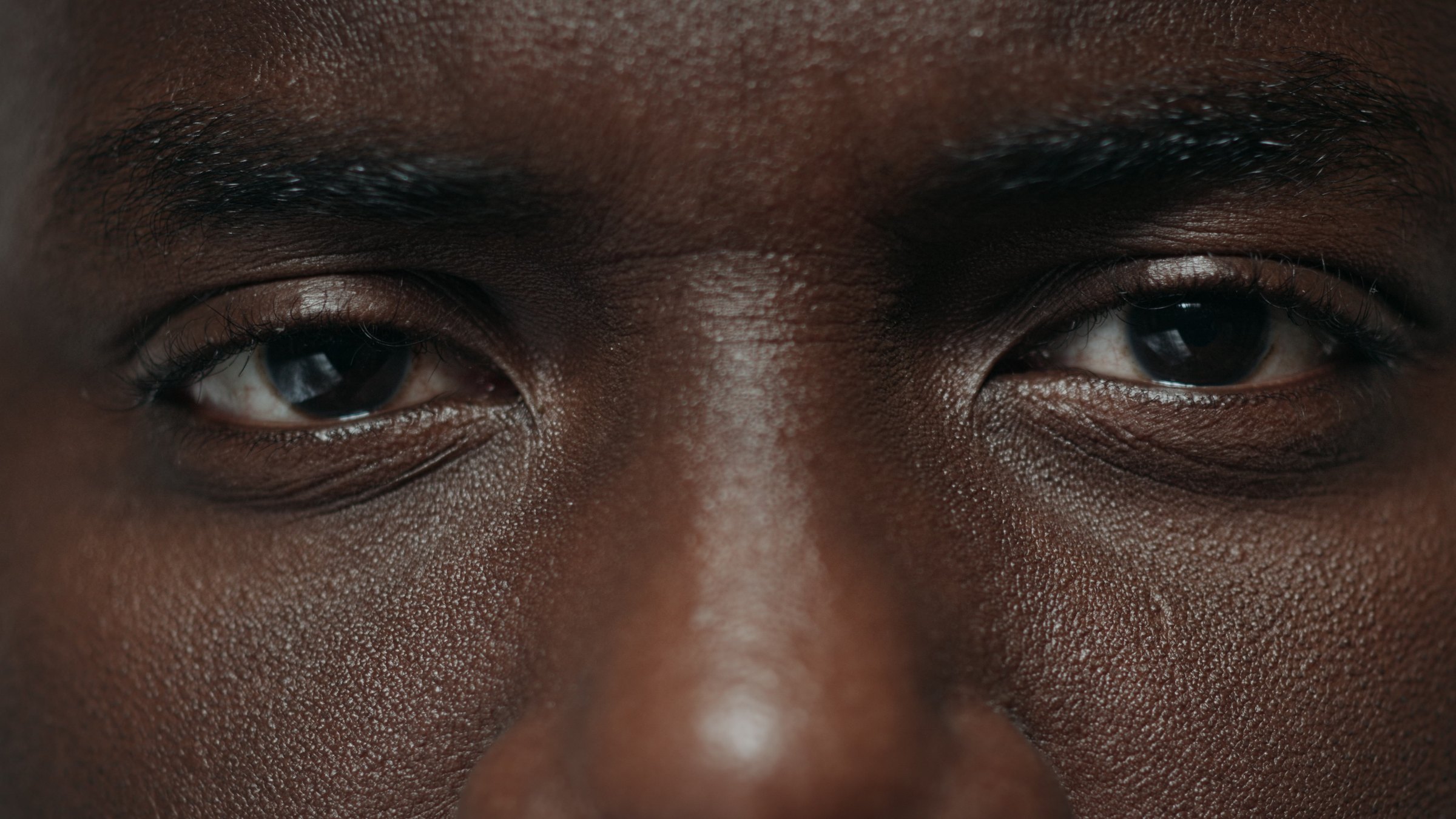
Close-up of a man's brow and eyes in even, natural light

Botox at a glance

Botox® is onabotulinumtoxinA, a purified protein injected in nanogram quantities to reduce how hard a facial muscle contracts. Botox® Cosmetic is FDA-approved in adults for moderate to severe glabellar lines, lateral canthal lines, forehead lines and platysma prominence. Effect usually begins in 3 to 7 days and lasts 3 to 4 months.

3–4
Months, typical duration
Onset is three to seven days, full effect around day fourteen, which is when the result is photographed. A first treatment often wears off sooner.

What is Botox®, exactly?

Most people know the word and little else. Botox® is onabotulinumtoxinA, a purified protein. It was the first botulinum toxin FDA-approved in the United States for cosmetic use, in 2002, and it works by quieting the signal travelling from a nerve to the muscle it drives, so the skin folding over that muscle creases less. Botox® Cosmetic is FDA-approved in adults for moderate to severe lines in four areas. Three of the four are in the upper face; the fourth is the neck. Every other area treated with Botox® is an off-label use, meaning the FDA has not reviewed that particular use, though the medicine itself is the same.

  • FDA-approved for moderate to severe frown lines, crow's feet, forehead lines and platysma bands.
  • Off-label areas: masseter, lip flip, gummy smile, chin and brow lift
  • Separate therapeutic label: severe primary axillary hyperhidrosis
  • Muscles treated: corrugator supercilii, procerus, frontalis, orbicularis oculi

How does Botox® actually work?

The skin folds less deeply. Botox® blocks acetylcholine, the nerve's message to contract, at the neuromuscular junction. Nothing is filled. A line etched at rest is partly skin: it softens, not clears.

  • Target: acetylcholine release at the neuromuscular junction
  • Effect: less contraction, less folding in the skin
  • Limit: only the muscles the injection reaches
  • Recovery: function returns over 3 to 4 months
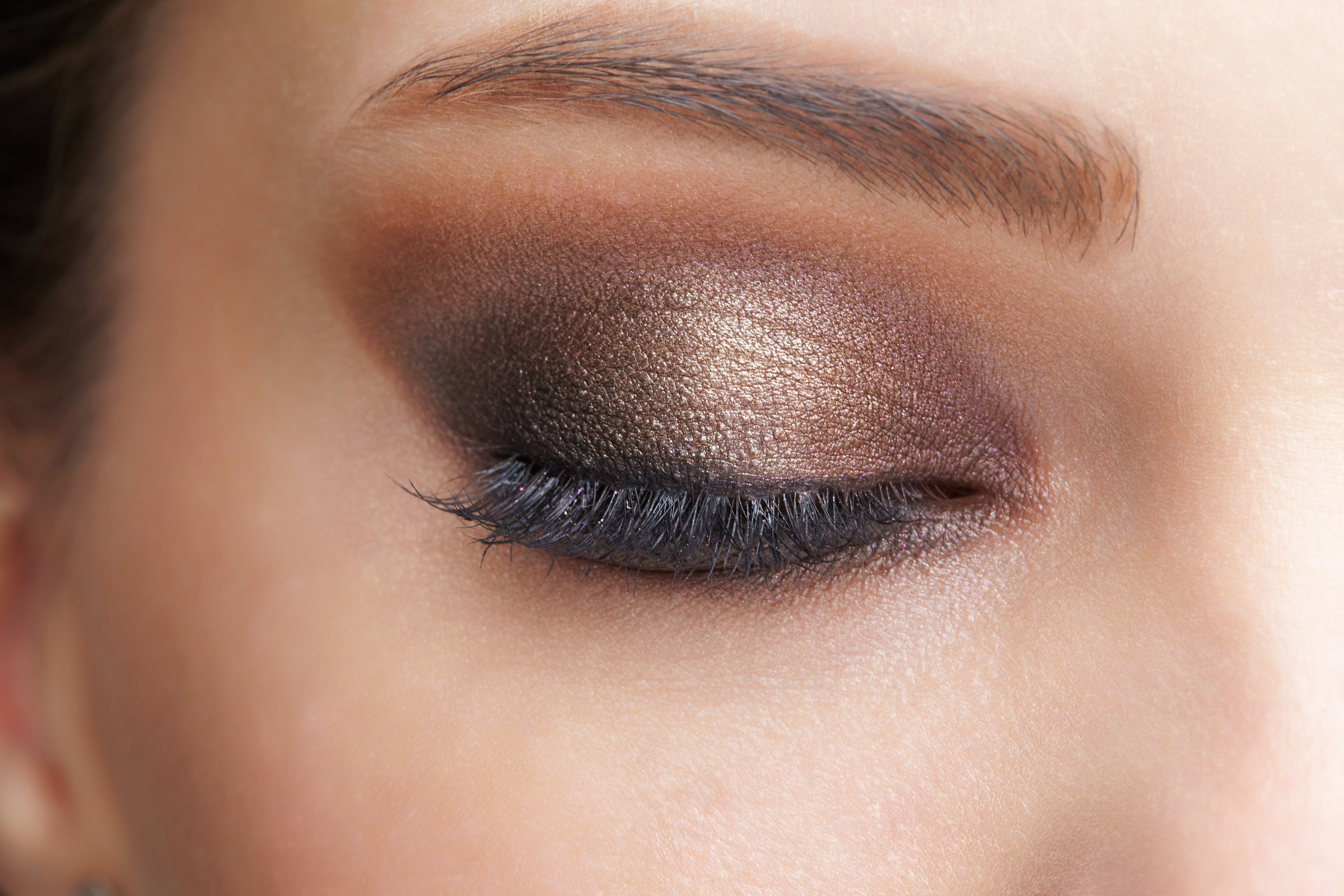
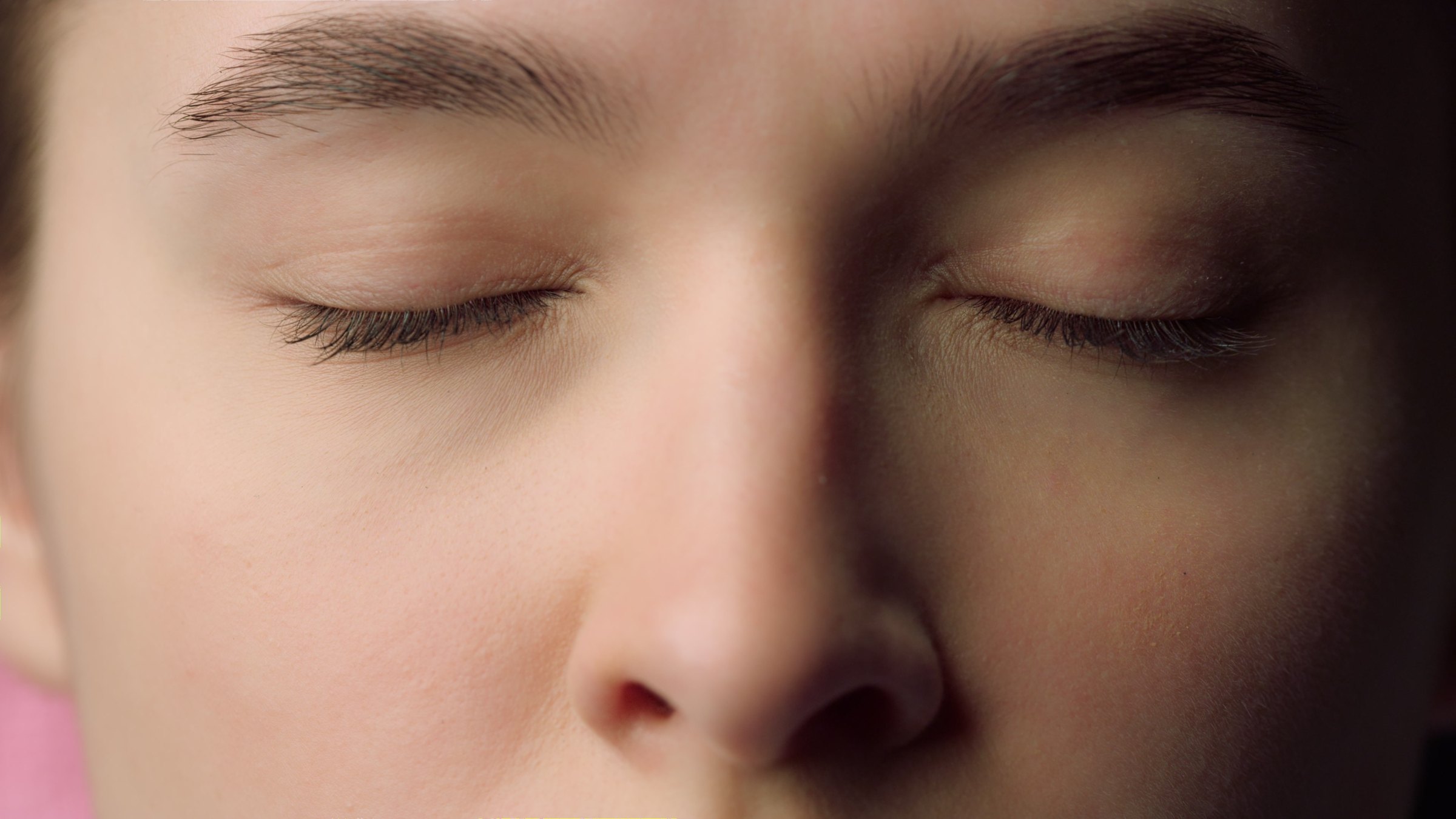
Close-up of closed eyes and brows on pale skinClose-up of a closed eye and brow with bronze eye makeup

How these compare

ProductMoleculeFDA-approved cosmetic areasTypical onsetTypical durationDiffusionReversible
Botox® CosmeticonabotulinumtoxinAModerate to severe glabellar lines, lateral canthal lines, forehead lines, platysma prominence3 to 7 days3 to 4 monthsMore localizedNo, it wears off
Dysport®abobotulinumtoxinAModerate to severe glabellar lines only2 to 3 days3 to 4 monthsWider spread per point, dose- and dilution-dependentNo, it wears off
Jeuveau®prabotulinumtoxinAModerate to severe glabellar lines only2 to 3 days3 to 4 monthsSimilar to Botox®No, it wears off

These three neuromodulators behave differently rather than one outperforming another, and the deciding variable is usually the area: how broad the muscle is, how precise the edge needs to be, and which areas each product is approved for. Ranges come from current U.S. product labeling and from observation here. Units are specific to each product and are not interchangeable.

Notes on the products named above

Botox® Cosmetic (onabotulinumtoxinA) — The labeled doses are 20 units for the glabellar complex, 24 units for the lateral canthal lines, and 40 units for forehead lines, which the label gives as 20 units in the frontalis, the broad sheet of muscle that lifts the brow, together with 20 units in the glabellar complex. First-time patients here usually start below those figures.

Botox® (therapeutic label, onabotulinumtoxinA) — The same molecule under its separate therapeutic labeling, FDA-approved for severe primary axillary hyperhidrosis inadequately controlled by topical treatment. The labeled dose is 50 units per underarm, and median duration of response in the labeling's trials was about six to seven months.

Dysport® (abobotulinumtoxinA) — FDA-approved for glabellar lines only, so forehead use is off-label. Behaves differently rather than better: onset often 2 to 3 days and a slightly wider spread from each point, though spread depends on dilution and dose as much as on the product. Units are specific to the product and are not interchangeable with Botox® units.

Jeuveau® (prabotulinumtoxinA) — FDA-approved for glabellar lines only. Onset is usually reported at 2 to 3 days in practice rather than in the labeling. Treating any other area with Jeuveau® is an off-label use.

Sterile 0.9% sodium chloride diluent — The labeling specifies preservative-free saline; the preserved (bacteriostatic) saline many injectors use stings less and is an off-label variation, named before consent. Dilution changes how far the product spreads from each point, so the dilution used is recorded in the chart and kept consistent between appointments.

How it goes

01

Assessment

You are watched at rest and in movement, then photographed at fixed distance and lighting.

02

Dose and consent

Units per muscle are written down first, usually below the label dose. On-label and off-label areas are named separately at consent.

03

Injection

A fine needle delivers small volumes at the marked points, over 5 to 10 minutes.

04

See results

Ask about follow-up timing, contact arrangements, and any additional charges before treatment.

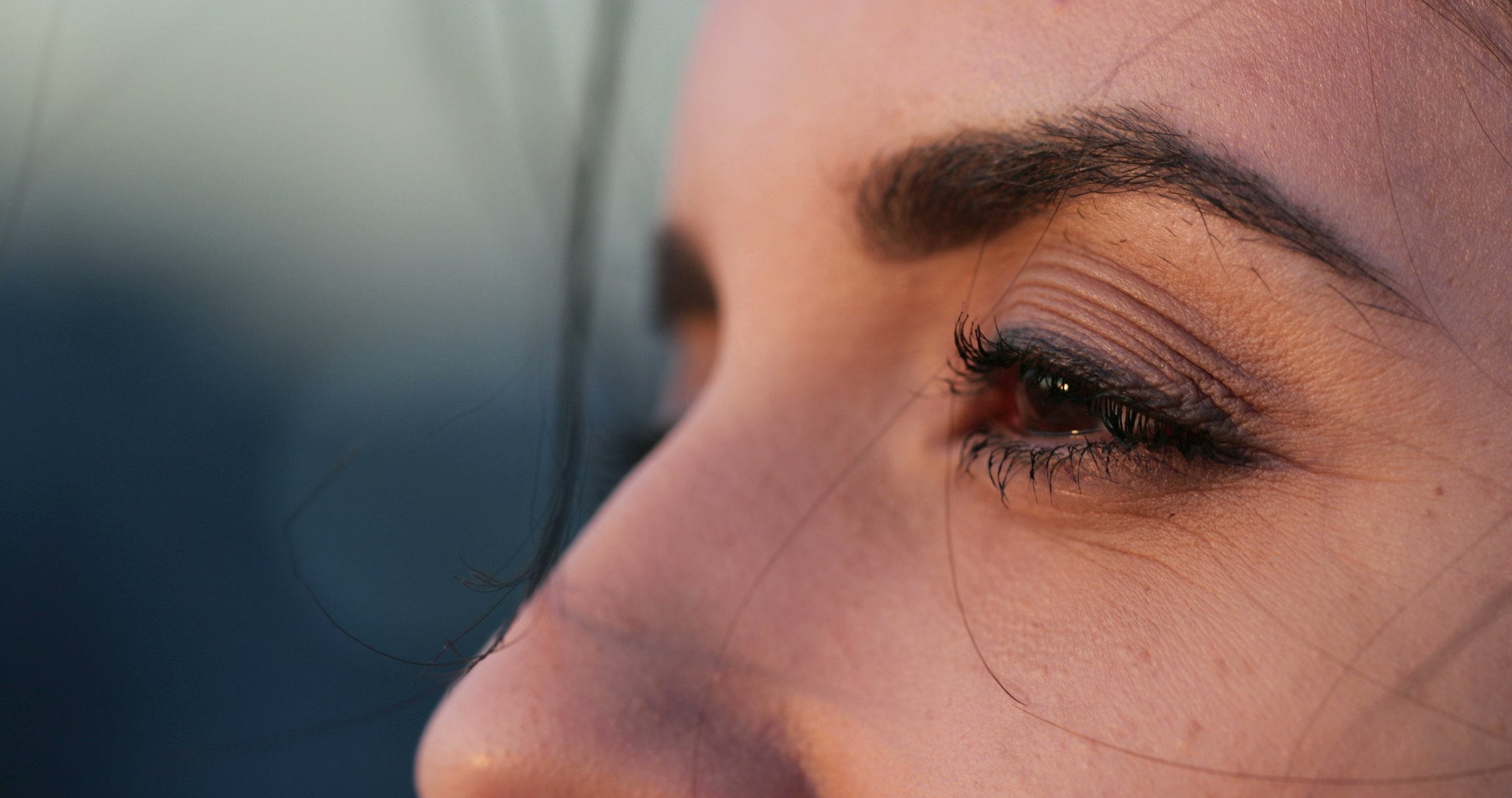
Three-quarter close-up of a brow and eye in warm, low light
You can have this done and go back to work the same day.

What happens during a Botox® appointment?

A Botox® appointment runs about 20 minutes, most of it assessment: your face watched frowning, raising and squinting.

  • About 20 minutes, including assessment and photography
  • 32-gauge needle, roughly 0.1 mL, rarely with anesthetic
  • Bruising possible for 3 to 7 days
  • Stay upright for four hours afterward

How long does Botox® take to work and last?

Give it two weeks before judging. Botox® begins in 3 to 7 days, peaks around day 14, and holds 3 to 4 months. Retreatment is not scheduled sooner than three months, in line with the labeling.

Onset
3 to 7 days
Full effect
around day 14, photographed
Duration
3 to 4 months, upper face
Minimum retreatment interval
three months, to limit neutralizing antibodies

Who is Botox® for, and not for?

A good candidate

  • Lines that appear on movement and soften at rest
  • Frown lines between the brows, visible in photographs
  • Crow's feet you want softened rather than erased
  • A first treatment, where wearing off is the point
  • Frown or forehead lines that linger after the expression
  • Severe underarm sweating antiperspirant has not controlled

Not a candidate

  • A diagnosed neuromuscular disorder such as myasthenia gravis, Lambert-Eaton syndrome or ALS, which the labeling carries as a warning rather than a contraindication, because the condition already affects signalling between nerve and muscle and the effect of the toxin can be exaggerated. Worth telling us early.
  • Previous hypersensitivity reaction to any botulinum toxin preparation or to any of the components in the formulation, human albumin included, which the label lists as a contraindication
  • Lines fully etched at rest, where resurfacing addresses skin
  • Eyelid skin excess, or a brow held by the frontalis

A wait rather than a closed door

  • Pregnancy or breastfeeding, where safety has not been established and treatment is deferred until afterwards — a question of timing rather than a closed door
  • Active infection, inflammation or broken skin at the planned injection site, which the label lists as a contraindication

The first 72 hours, and when to call

01
Stay upright for four hours, so the product stays where it was placed.
02
Do not rub or massage the treated areas for 24 hours.
03
Skip exercise, saunas and hot yoga for 24 hours; facials wait two weeks.
04
Use the muscles normally for the first hour. Frown, raise, make faces.
05
Bumps settle in 15 to 30 minutes. Makeup can go on after four hours.
06
Call the direct number for any eyelid or brow droop.
07
Seek emergency care for difficulty swallowing, speaking or breathing, blurred or double vision, or generalized muscle weakness. Those are the symptoms named in the boxed warning about distant spread of toxin effect.
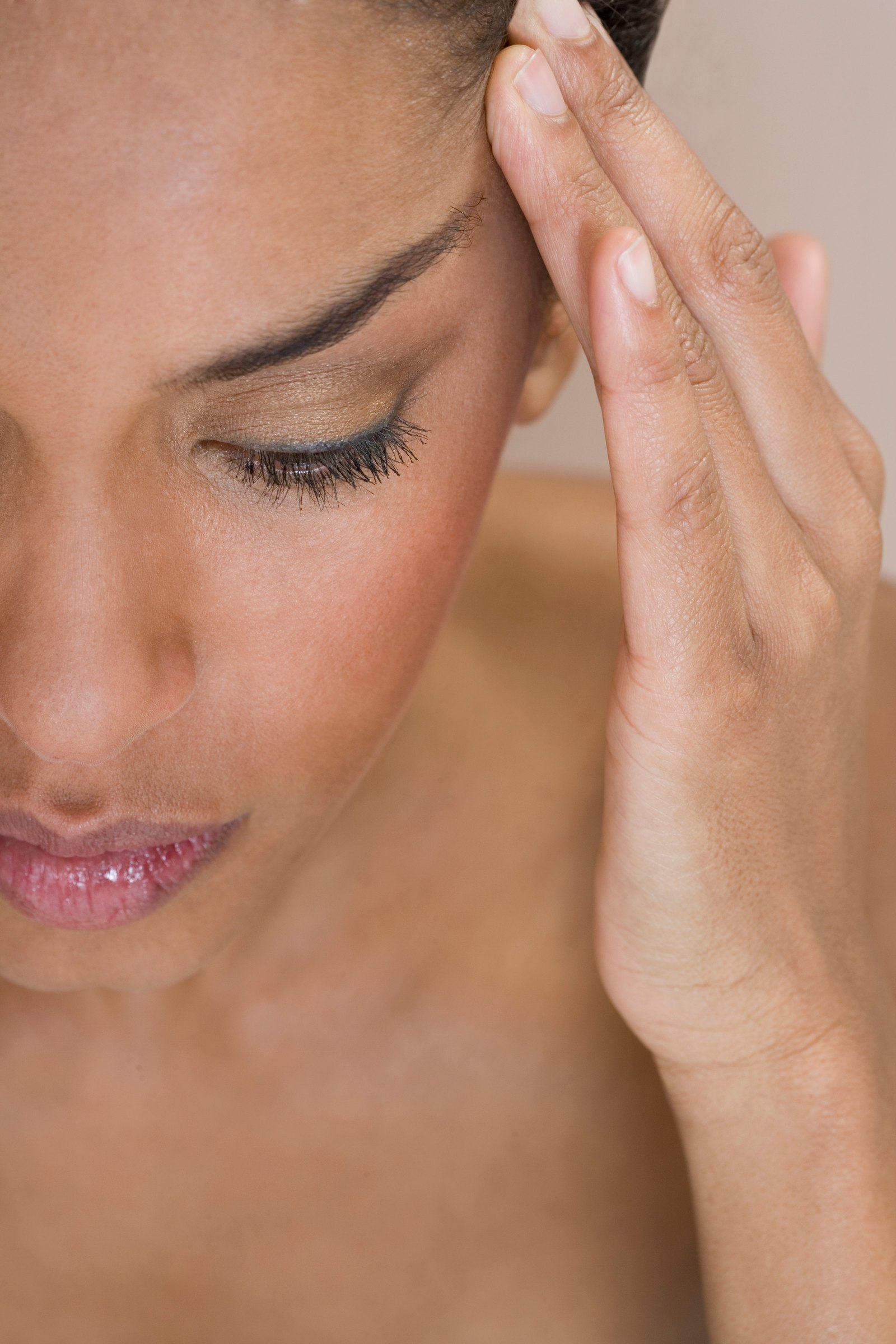
Portrait of a woman with red hair and freckled skin against a pale backgroundPortrait of a woman in soft indoor lightPortrait of a woman with her fingertips resting at both temples, eyes closed

What patients ask

Does Botox® hurt?

It stings briefly, then it is done. The needle is 32-gauge, roughly 0.1 mL per point, so it reads as a pinch. The frown area is the sharpest. Ice before and after; numbing cream on request.

How many units of Botox® do most patients need?

Most first treatments use 20 to 50 units across one to three areas. The labeled doses are 20 units for the frown complex, 24 units for crow's feet, and 40 units for forehead lines, which the label gives as 20 units in the forehead plus 20 units in the frown complex. A first dose starts below those figures: units can be added at the two-week review, while an overtreatment lasts 3 to 4 months.

How much does Botox® cost in Columbus, OH?

The cost depends on your treatment plan. Call (614) 425-1633 for current pricing and ask what consultation, treatment, and follow-up charges apply.

How long does Botox® last?

Botox® typically lasts 3 to 4 months in the upper face, fading gradually rather than stopping on a date. Strong muscles, low doses and heavy exercise shorten the interval. Underarm sweating usually lasts 6 to 7 months.

Will Botox® make me look frozen?

Frozen is a dosing decision, not a property of Botox®. A smaller dose leaves more movement, and where it remains depends on the points treated. More can be added after the review; it cannot be taken back.

Is Botox® safe?

Botox® Cosmetic has been FDA-approved for cosmetic use since 2002, and the amounts used are measured in nanograms. Common side effects are bruising, headache and, less often, a temporary droop of the eyelid or brow that resolves as the product wears off. Botox® carries a boxed warning about the distant spread of toxin effect, meaning toxin acting beyond the injection site, which is rare at cosmetic doses. Ask for the full prescribing information at the consultation.

What is the difference between Botox® and Dysport®?

The choice comes down to the area. Both are botulinum toxin type A, and both are approved for the frown lines. Only Botox® is also approved for crow's feet and forehead lines, so forehead treatment with Dysport® is off-label. Dysport® usually shows effect in 2 to 3 days and spreads a little further from each injection point. Units are not interchangeable, and both typically last 3 to 4 months.

Can Botox® be reversed if I don't like it?

No. Botox® cannot be reversed; no enzyme undoes it the way hyaluronidase undoes hyaluronic acid filler. It wears off instead, usually over 3 to 4 months. An asymmetry can sometimes be balanced at the two-week review. This is why a first dose starts low.

Can Botox® help with jaw clenching or a wide jaw?

Yes. Plenty of people ask after years of a tight jaw. Botox® injected into the masseter, the muscle at the angle of the jaw that closes the bite, is an off-label use: the FDA has not reviewed that indication, although the medicine is the same one and the use is common and supported by published trials. Assessment covers bite and grinding history, and a dental opinion comes first where clenching damages teeth. Jaw width changes gradually, over 6 to 12 weeks.

What happens if I stop getting Botox®?

Nothing sets you back. Muscle activity resumes over 3 to 4 months and lines return to where untreated aging would have taken them. Nothing rebounds and nothing accelerates. What most notice is the contrast with the smoothness.
Important safety information

Botox® is a prescription medicine. Botox® and Botox® Cosmetic carry a boxed warning regarding the distant spread of toxin effect. Ask for the full prescribing information and discuss risks with the provider before treatment.

Individual results vary. Nothing on this page is a promise of a specific result, and treatment always requires an in-person evaluation. Botox® Cosmetic is FDA-approved in adults for moderate to severe glabellar lines, lateral canthal lines, forehead lines and platysma prominence, and the separate therapeutic Botox® label covers severe primary axillary hyperhidrosis. Any other area treated with Botox® is an off-label use, which is legal and common, and it is named as one before you consent.

Botox® and Botox® Cosmetic are registered trademarks of Allergan, Inc., an AbbVie company. Dysport® is a registered trademark of Ipsen Biopharm Limited, distributed in the United States by Galderma. Jeuveau® is a registered trademark of Evolus, Inc. Rouge Aesthetics is not affiliated with, sponsored by or endorsed by any of them, and nothing here ranks one product above another.

Book

Start with a conversation

Visit us
101 Mill Street, Suite 210, Gahanna, OH 43230
Or call
(614) 425-1633
Treatments
Wrinkle RelaxersDermal FillersCollagen StimulatorsRegenerative
More
Intimate WellnessAnti-AgingFat ReductionFacial Balancing
Practice
AboutPricingMembershipContact
Legal
PrivacyPatient PrivacyAccessibilityResults

Rouge Aesthetics · 101 Mill Street, Suite 210, Gahanna, OH 43230 · (614) 425-1633
Individual results vary. This website provides general information and does not replace an individual consultation.