Rouge
Aesthetics
Home · Services · Dermal Fillers · Cheek Filler
Cheek & Midface in Columbus, OH

Cheek filler. Support in balance.

A fold, or a shadow under the eye: the support above has flattened. Cheek filler is firm gel on the cheekbone.

Book a consultationAsk if it is your midface
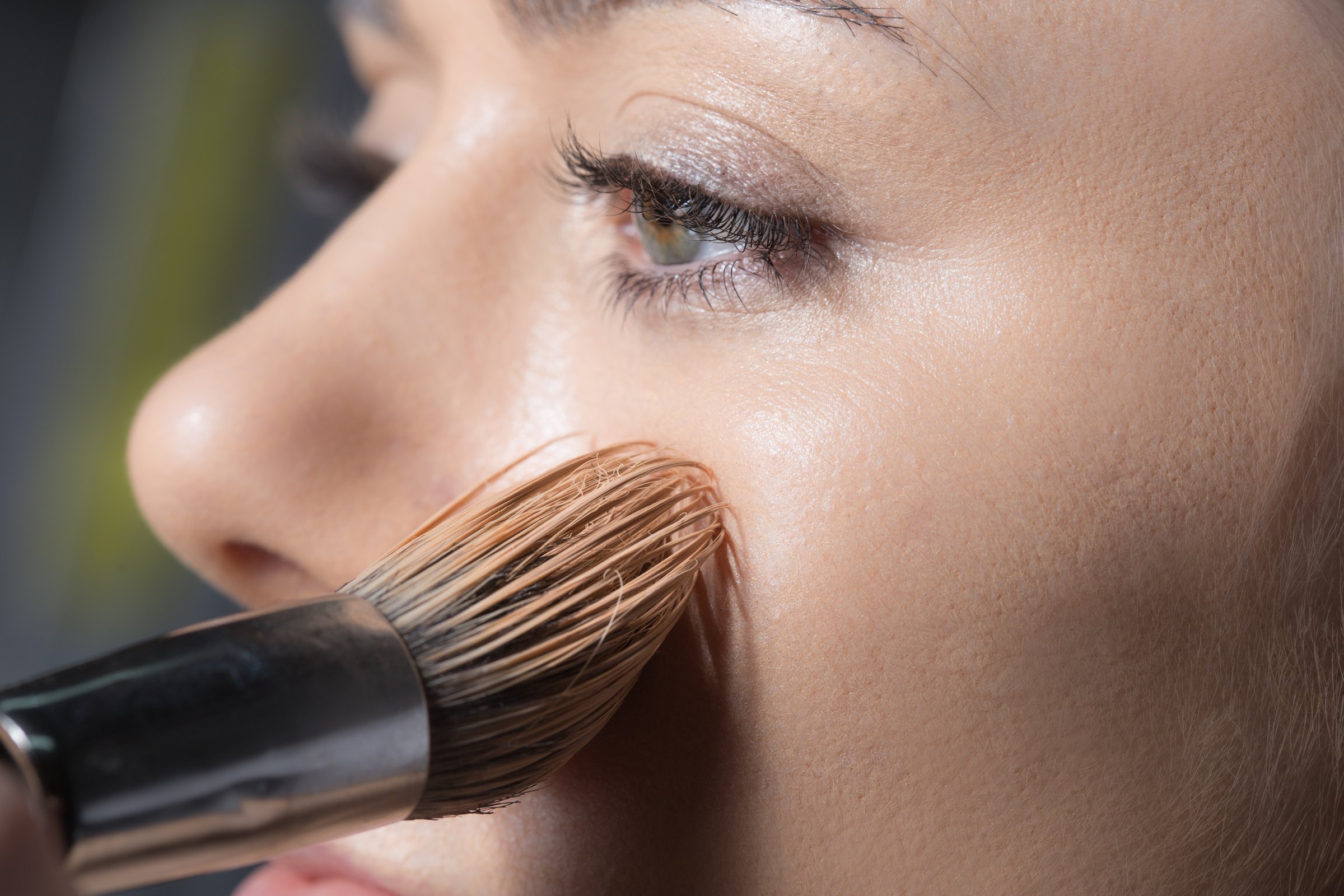
Profile close-up of a cheekbone catching soft light, a make-up brush at the edge of frame

Cheek Filler at a glance

Cheek filler is hyaluronic acid gel placed deep against the cheekbone, rebuilding the platform the midface fat pads sit on. Most patients use 1 to 2 mL; correction lasts 12 to 18 months. Juvéderm® Voluma® XC, Restylane® Contour and Restylane® Lyft with Lidocaine are FDA-approved for cheek augmentation in patients over 21.

1–2
mL, a first midface plan
Product is placed deep on the bone, two to four deposits per side, and more can be added at the two-week review.

What is cheek filler?

Cheek filler is hyaluronic acid, a gel your body already makes, placed deep in the midface onto the cheekbone. It replaces volume rather than filling a line.

  • Hyaluronic acid, cross-linked to hold shape for months
  • Supraperiosteal plane: on bone, not into the fold
  • Dissolvable with hyaluronidase, an enzyme that breaks hyaluronic acid apart; this use is off-label
  • Adds volume, not lift

How does cheek filler actually work?

Projection, not bulk: a small deposit on bone lifts more than one nearer the surface. Two to four deep deposits per side, on zygomatic bone and maxilla.

  • Projection first, then the transitions
  • Sat upright and reassessed between passes
  • Needle or blunt cannula, by region
  • 0.3% lidocaine in the gel numbs quickly
Portrait of a woman resting both hands against her cheeks, muted teal backgroundPortrait of a woman resting both hands against her cheeks, muted teal background

How these compare

ProductGel technologyFDA-approved midface indicationTypical duration in the cheekBehavior in tissueReversible
Juvéderm® Voluma® XCHyaluronic acid, VYCROSS® cross-linking, 0.3% lidocaineDeep injection for cheek augmentation to correct age-related midface volume deficit, patients over 21Labeling supports up to 2 years; most patients here re-treat at 12 to 18 monthsFirm and cohesive; holds projection when placed on boneDissolvable with hyaluronidase (off-label use)
Restylane® ContourHyaluronic acid, XpresHAn Technology, 0.3% lidocaineCheek augmentation and correction of midface contour deficiencies, patients over 21Effectiveness studied to 12 monthsSofter and more flexible; moves with animationDissolvable with hyaluronidase (off-label use)
Restylane® Lyft with LidocaineHyaluronic acid, NASHA technology, 0.3% lidocaineCheek augmentation and correction of age-related midface contour deficiencies, patients over 21Effectiveness studied to 12 monthsFirm and granular; strong projection from a small depositDissolvable with hyaluronidase (off-label use)

The three midface fillers approved by the U.S. Food and Drug Administration (FDA) behave differently rather than one outperforming another, and the deciding variables are how much the region moves and how much projection a deposit has to hold. Ranges reflect current U.S. labeling and published pivotal-trial data alongside what is observed here; individual duration varies.

Notes on the products named above

Juvéderm® Voluma® XC — FDA-approved for deep (subcutaneous and/or supraperiosteal) injection for cheek augmentation to correct age-related volume deficit in the midface in patients over 21. Cross-linked with VYCROSS® technology and supplied with 0.3% lidocaine. Labeling supports correction lasting up to two years in some patients.

Restylane® Contour — FDA-approved for cheek augmentation and correction of midface contour deficiencies in patients over 21. Formulated with XpresHAn Technology and supplied with 0.3% lidocaine. Effectiveness was studied to 12 months in the cheek.

Restylane® Lyft with Lidocaine — FDA-approved for cheek augmentation and correction of age-related midface contour deficiencies in patients over 21. A NASHA-technology gel with 0.3% lidocaine, firmer and more granular in feel. Effectiveness was studied to 12 months in the cheek.

Hyaluronidase — Kept on site for every filler appointment. Hyaluronidase is not selective and will break down some of your own hyaluronic acid alongside the product. Its use to dissolve hyaluronic acid filler, whether for a cosmetic result or for a vascular event, is off-label.

How it goes

01

Assessment

Your midface is examined upright and in profile. Bone, fat and skin read separately.

02

The plan and the price

Nothing is opened until you have seen the number. Product, syringes and total written first. Where cheek filler is not indicated, the plan says so and names what the finding actually is.

03

Injection

Skin prepped, then deep boluses onto bone, two to four per side. You are sat up between passes.

04

See results

You return at two weeks, photographed again and checked for symmetry. Small additions belong to the original plan.

Profile close-up of a cheekbone catching soft light, a make-up brush at the edge of frame
Most of the appointment is assessment.

What happens during a cheek filler appointment?

The gel goes onto bone, not through superficial layers, so it reads as pressure.

  • 30 to 45 minutes, no sedation
  • Topical numbing, plus 0.3% lidocaine
  • Swelling peaks at 24 to 48 hours
  • Bruising 3 to 7 days, sitting low

When will I see the final result?

The result worth judging is at four weeks, once swelling has resolved. Swelling peaks in the first 48 hours and settles by about two weeks, when you are photographed again. Most patients hold correction for 12 to 18 months in the midface, and Juvéderm® Voluma® XC labeling supports correction lasting up to two years in some patients.

Day 0
immediate change, with swelling on top
Week 2
settled enough to photograph and adjust
Week 4
when the result is readable
12 to 18 months
typical interval before re-treatment

Am I a candidate for cheek filler?

A good candidate

  • Adults over 21 whose midface flattening shows up in a photograph taken at a 45-degree angle, not only in the mirror
  • An under-eye shadow that softens on the lift
  • A nasolabial fold that shortens on that lift
  • Weight stable six months, no loss planned
  • A 12 to 18 month interval

Not a candidate

  • Known hypersensitivity to hyaluronic acid, to gram-positive bacterial proteins, or to lidocaine and the amide anesthetics
  • A history of anaphylaxis or multiple severe allergies, which the product labeling advises against
  • Bleeding disorders or anticoagulation not safely managed; permanent or semi-permanent midface filler
  • Heaviness or laxity rather than volume loss, where weight makes it heavier

A wait rather than a closed door

  • Active infection, inflammation, cystic acne or a cold sore near the site
  • Pregnancy, breastfeeding, and anyone under 21: these products are neither studied nor approved in those groups

The first 72 hours, and when to call

01
Stay upright four hours. Do not press or sleep face-down that night.
02
Expect firm areas for one to two weeks; most settle.
03
Skip strenuous exercise, saunas and hot yoga 48 hours; heat worsens bruising.
04
No alcohol 24 hours; dental work, facials and facial massage two weeks.
05
Ice in ten-minute intervals the evening of treatment if swollen.
06
Call the number you were given immediately for escalating pain, blanching or mottled skin, or any change in vision. These are the signs of a blocked vessel — vascular occlusion — handled the same hour rather than the next day. You are never bothering anyone by calling.
07
Keep the two-week appointment. Those photographs set your next dose.
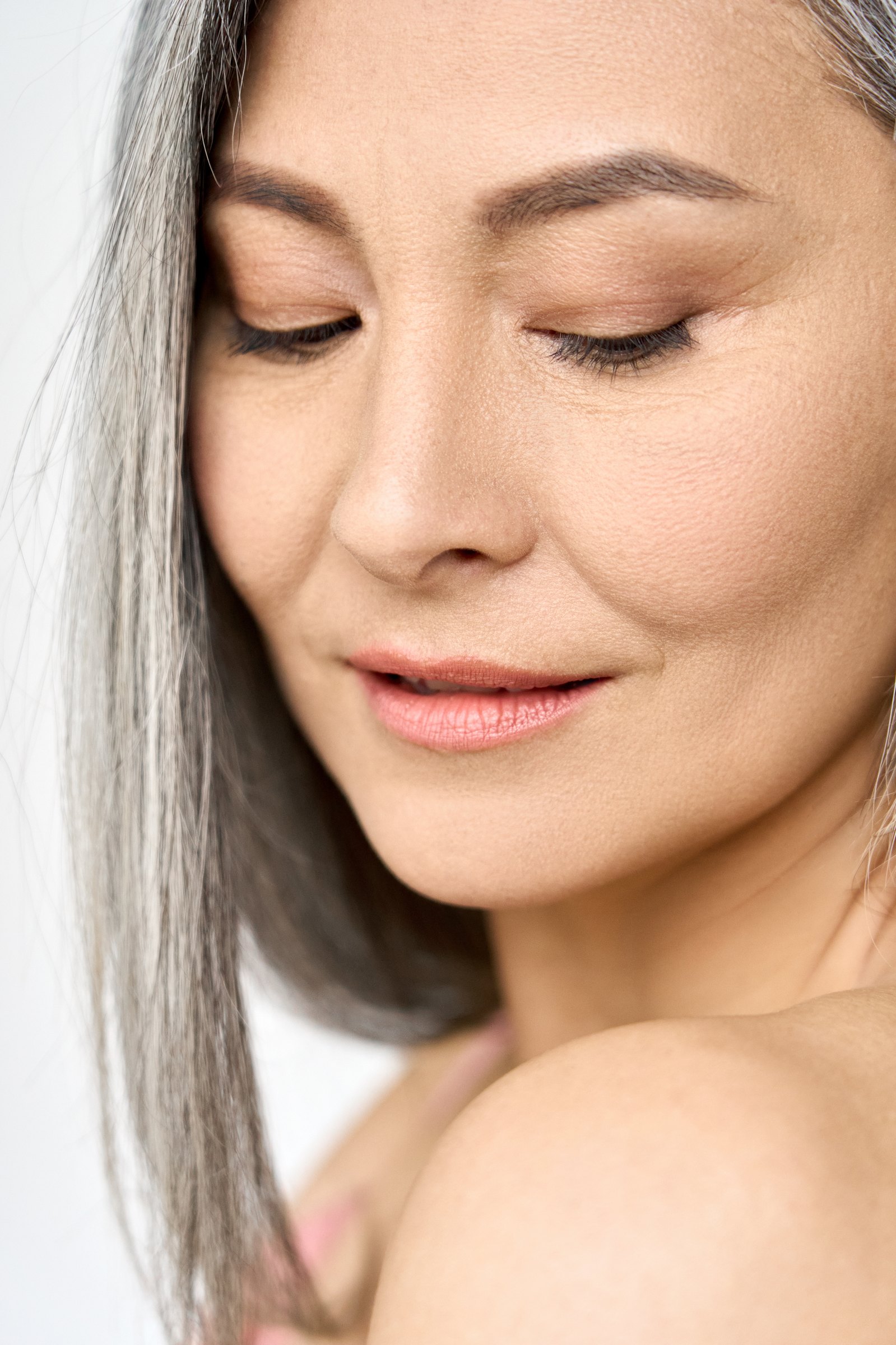
Close portrait of a silver-haired woman with her eyes loweredProfile portrait of a woman with dark hair against a black background, softly lit from the frontProfile portrait of a woman against a warm brown background

What patients ask

Will cheek filler make my face look wider?

Cheek filler placed correctly adds projection forward rather than width outward. Width comes from product placed too laterally, too superficially, or in too great a volume. Dose and plane, not brand. Most start with 1 mL per side.

How much cheek filler do I actually need?

Most first midface treatments here use 1 to 2 mL in total, split between the sides. Significant bone loss can need more, staged across two visits. Coming back at two weeks keeps the decision open.

How long does cheek filler last?

Cheek filler in the midface typically lasts 12 to 18 months. Juvéderm® Voluma® XC carries labeling supporting correction for up to two years in some patients, while Restylane® Contour and Restylane® Lyft were studied to 12 months in this area. Dose, metabolism, exercise and the plane of placement all move where you sit in that range, and the effect fades gradually rather than stopping on a date.

Does cheek filler hurt?

Most patients rate cheek filler two to four out of ten. The needle goes onto bone, not through sensitive superficial layers, so it reads as pressure, not sharpness. The gels carry 0.3% lidocaine, with topical numbing first.

Can cheek filler be dissolved if I hate it?

Yes, and that keeps a first treatment small. Every filler used for the cheek here is a hyaluronic acid, and hyaluronidase removes it, usually within 24 to 48 hours. This use of the enzyme is off-label, and it is standard practice. The enzyme is not selective, so it takes some of your own hyaluronic acid too.

Will cheek filler help my under-eye hollows?

Often, yes. Cheek filler improves the under-eye indirectly, by rebuilding the support the lower lid sits on. The tear trough is the hollow groove from the inner corner of the eye; some patients need midface support alone. Hollowing that persists once the cheek is supported is a separate decision, and tear-trough filler is an off-label use of every product named on this page.

Does filler stretch your skin out over time?

No good evidence shows that appropriately dosed filler stretches skin. What people describe as stretching usually comes from repeated overfilling, product stacked superficially, or long-lived gel accumulating from re-treating too early. Fixed-distance photographs make that visible.

How much downtime is there? Can I work the next day?

Most patients return to work the same day or the next. Swelling peaks at 24 to 48 hours and settles by about two weeks. Bruising lasts 3 to 7 days, low on the cheek where makeup covers it.

Is cheek filler dangerous? I have read about people going blind.

Vascular occlusion, meaning filler entering an artery and cutting off the blood supply to the skin that vessel feeds, is the serious risk of cheek filler, and it is rare. Very rarely, product can travel toward the ocular circulation and cause vision loss that can be permanent. The midface carries known vessels, including the infraorbital artery and the angular artery, which is one reason product is placed deep on bone, though depth reduces the risk of vascular occlusion rather than removing it. Hyaluronidase and a written complication protocol are on site, and the signs are treated the hour they appear.

How much does cheek filler cost in Columbus, OH?

The cost depends on your treatment plan. Call (614) 425-1633 for current pricing and ask what consultation, treatment, and follow-up charges apply.

Important safety information

Rouge Aesthetics is a medical aesthetics practice. This page is general information, not medical advice, and not a substitute for an in-person evaluation. Cheek filler requires a consultation and a medical eligibility review, and treatment is not offered where it is not indicated.

Individual results vary. Durations on this page are ranges drawn from product labeling and published trial data, not promises, and nothing here is a guarantee of a specific result.

Some uses described here are off-label: hyaluronidase to dissolve hyaluronic acid filler, and Sculptra® used purely as a midface volumizer rather than for the facial wrinkles and folds named in its FDA-approved indication. Approval in the tear trough is product-specific — Juvéderm® Volbella® XC carries a US infraorbital indication in adults over 21, and other gels used there are off-label. Off-label use is lawful and common in aesthetic medicine, and it is discussed at consultation.

Juvéderm®, Voluma® and VYCROSS® are trademarks of Allergan Aesthetics, an AbbVie company. Restylane®, Lyft, Contour, NASHA, XpresHAn Technology and Sculptra® are trademarks of Galderma. Rouge Aesthetics is not affiliated with, sponsored by or endorsed by either company.

Book

Start with a conversation

Visit us
101 Mill Street, Suite 210, Gahanna, OH 43230
Or call
(614) 425-1633
Treatments
Wrinkle RelaxersDermal FillersCollagen StimulatorsRegenerative
More
Intimate WellnessAnti-AgingFat ReductionFacial Balancing
Practice
AboutPricingMembershipContact
Legal
PrivacyPatient PrivacyAccessibilityResults

Rouge Aesthetics · 101 Mill Street, Suite 210, Gahanna, OH 43230 · (614) 425-1633
Individual results vary. This website provides general information and does not replace an individual consultation.