Rouge
Aesthetics
Home · Services · Regenerative Skin · PRP Therapy
PRP Therapy in Columbus, OH

PRP therapy. Your own starting point.

Most arrive with thinning hair, or acne scarring. Platelet-rich plasma is your own blood, spun in a centrifuge to concentrate platelets.

Book a consultationWhy early matters here
Soft close-up of a neck and collarbone in diffuse light

PRP Therapy at a glance

PRP therapy injects platelet-rich plasma, spun from 15 to 30 mL of your own blood, into the scalp or skin. Three sessions, four weeks apart. Platelet-rich plasma has no FDA-approved aesthetic use for hair or skin, so this is provider-directed use of an unapproved preparation, and improvement is partial in most patients.

3
Sessions, four weeks apart
Plan on three sessions four weeks apart, then a decision at month six against standardized photographs. Where month six shows no change against baseline, the series ends there.

What is PRP therapy?

Nothing foreign goes in. Your own blood, spun until the platelet layer separates: 3 to 6 mL, injected back.

One thing is worth saying plainly and early, because it frames everything below — platelet-rich plasma has no FDA-approved aesthetic use for hair or for skin. There is no approved label here for the treatment to depart from, so this is provider-directed use of an unapproved preparation made from your own blood, and you will hear it said again at consultation and on the consent form.

  • Autologous: your own blood, prepared here.
  • Platelets concentrated 3 to 5 times baseline.
  • No FDA-approved aesthetic use exists for hair or skin, so both are unapproved uses.
  • No gel, no filler, no volume.

How does platelet-rich plasma work?

Concentration, not addition. Platelets carry the wound signals: platelet-derived growth factor (PDGF), vascular endothelial growth factor (VEGF), transforming growth factor beta (TGF-beta), insulin-like growth factor 1 (IGF-1).

  • Concentration, not substitution: the signal is yours.
  • Target: the dermal papilla, the follicle's engine.
  • Follicles still cycling respond; closed ones cannot.
  • Facial PRP needs microneedling to reach fibroblasts.
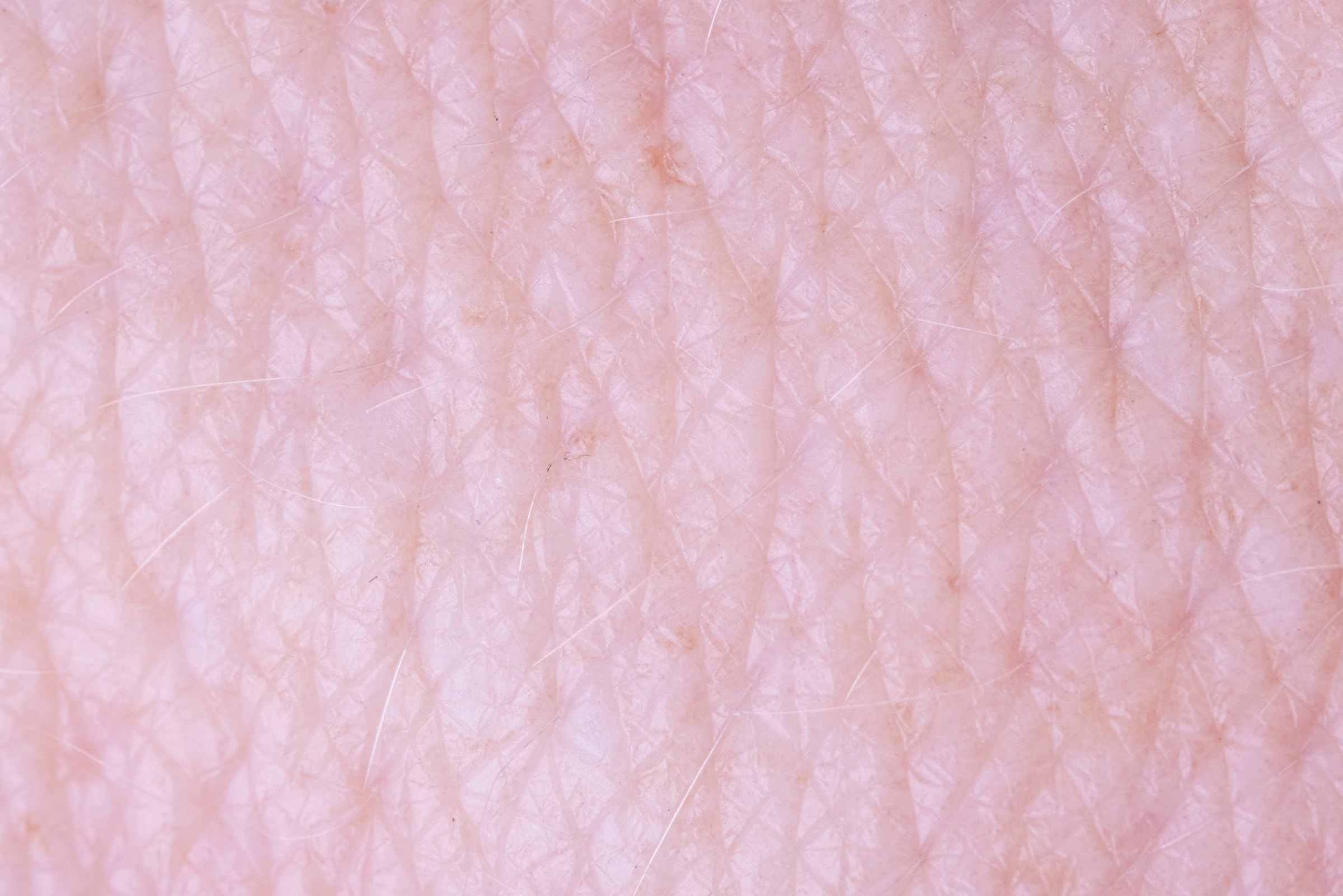
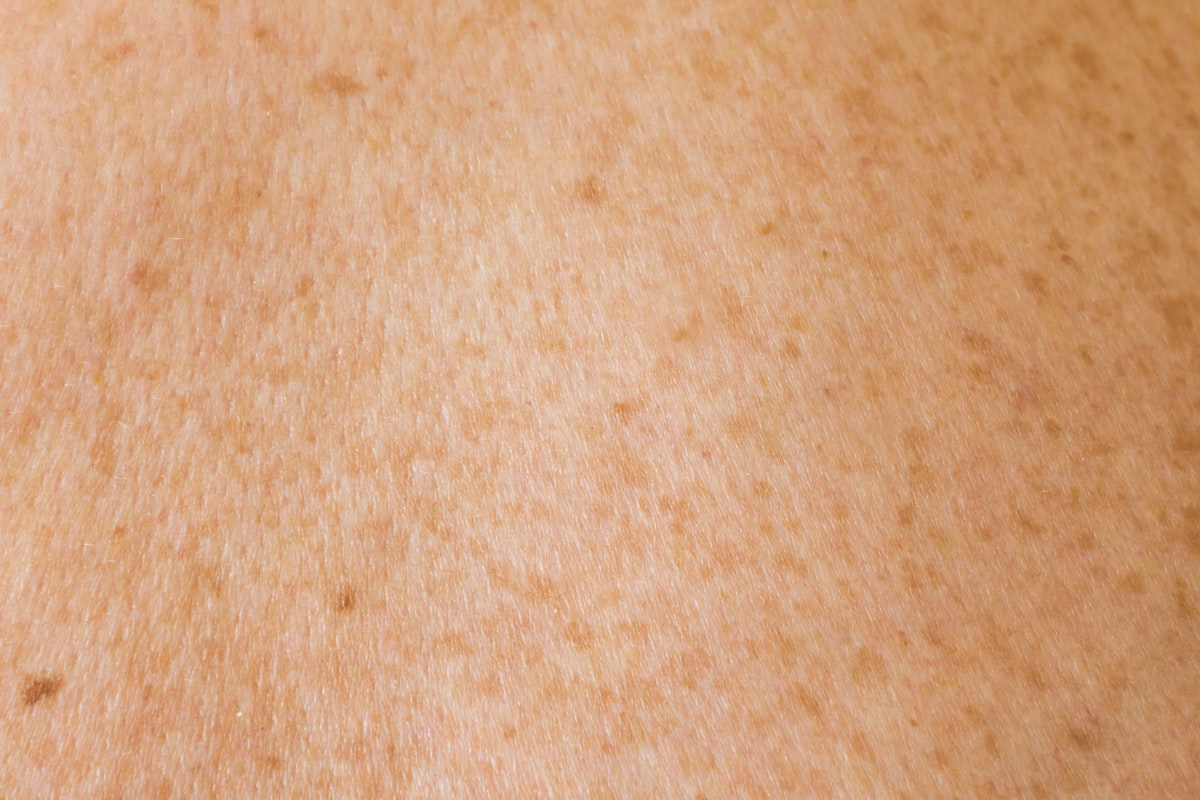
Close-up of lightly freckled skin in a warm neutral tone, abstract textureMacro photograph of skin with fine lines and natural texture

How these compare

PreparationAnticoagulantSpinWhat is placedRelease of platelet signalWhere we use it
PRP (platelet-rich plasma)Yes, ACD-AFaster, 5 to 15 minutesLiquid plasma, injectable through a fine needleRapid, largely within the first hoursScalp injection; facial microneedling
PRF (platelet-rich fibrin)NoSlower, low speedSoft fibrin clot or liquid fibrin matrixGradual, over several daysUnder-eye, fine lines, patients who prefer no anticoagulant
PRF gelNoSlower, then heatedA moldable albumin-based gelGradual, with short-lived physical volumeSmall hollows where a temporary autologous volume is wanted
Microneedling aloneNot applicableNot applicableNothing is placedNone. The stimulus is controlled injuryTexture and scarring where a blood draw is not wanted

These preparations behave differently, not better or worse. What separates them is the anticoagulant, the spin and the release speed. None of these preparations has an FDA-approved aesthetic use.

How PRP compares with PRF, PRF gel and microneedling alone

Autologous platelet-rich plasma — Your own blood, prepared in the room. Platelet-rich plasma has no FDA-approved aesthetic use for hair or skin, so both are provider-directed uses of an unapproved preparation.

Closed-system PRP preparation kit — The device is FDA-cleared for preparing platelet-rich plasma. Clearance of the device is not approval of the aesthetic use.

ACD-A anticoagulant — ACD-A is a citrate solution that holds calcium out of the clotting cascade, so the blood stays liquid. It is the step that makes the preparation PRP rather than PRF. PRF is collected without anticoagulant.

Compounded topical anesthetic (lidocaine with tetracaine) — Compounded topicals are not FDA-approved products. Applied in clinic, in a measured amount, never sent home.

Medical microneedling device — Platelet-rich plasma applied to intact skin largely stays on the surface, so the channels the needles make are what carry it down to the dermis.

Topical minoxidil and oral finasteride — Topical minoxidil is FDA-approved for androgenetic alopecia in men and women; oral finasteride 1 mg is FDA-approved for men only. PRP is FDA-approved for neither. Prescribing is a separate provider decision.

From the work-up to the month-six decision

01

Work-up before anything is drawn

Injections cannot fix a lab result. We take your shedding history, examine your scalp under magnification, and order labs: thyroid function, ferritin, which is the blood test for stored iron, a complete blood count, and hormones where indicated. Anything treatable is treated first.

02

Draw and spin

The draw is 15 to 30 mL, spun 5 to 15 minutes. You watch the layer separate.

03

Placement

Topical anesthetic sits 20 to 30 minutes. Small volumes go across the thinning zone, a centimeter apart.

04

See results

Three sessions, four weeks apart. Month-six photographs decide what comes next. You see them when we do.

Portrait of a woman with a close crop, eyes closed, hand at her face
Bring something to read for the spin. The provider draws 15 to 30 mL into anticoagulant tubes and spins it 5 to 15 minutes while topical anesthetic sits.

What happens during a PRP appointment?

Tenderness that evening settles.

  • Draw, spin and injection in one room.
  • Topical anesthetic sits 20 to 30 minutes.
  • Plan around anything you cannot be tender for.

When do PRP results show up?

Photographs, not mirrors. Less shedding comes before density, month two or three. Density is judged at month six.

Reduced shedding
month 2 to 3.
Density decision
month 6, standardized photographs.
Skin texture
4 to 6 weeks per session.
Maintenance
one session every 4 to 6 months.

Who is PRP therapy suited to?

A good candidate

  • Early androgenetic alopecia, hair still miniaturizing
  • Thinning left after a corrected telogen effluvium trigger
  • A widening part or diffuse thinning, work-up normal
  • Atrophic acne scarring and rough texture, with microneedling
  • An autologous option, if a series suits you
  • Ongoing minoxidil or finasteride, with PRP added

Not a candidate

  • Thrombocytopenia, platelet dysfunction, or another platelet disorder. Tell us early
  • Anticoagulant or ongoing antiplatelet therapy without written clearance from the prescriber
  • A smooth, follicle-free scalp with no follicle left
  • A single session as the whole plan, or treatment before work-up

A wait rather than a closed door

  • Active hematologic malignancy, metastatic cancer, or injection-site infection. An infection is a matter of waiting until it has cleared rather than a closed door, and where cancer treatment is active, the decision sits with the team looking after that while PRP waits
  • Pregnancy or breastfeeding. PRP has not been studied in either, so treatment is deferred until afterwards

The first 72 hours, and when to call

01
Leave the scalp alone: no shampoo, hat or helmet, 24 hours.
02
No ibuprofen or naproxen three days either side. Acetaminophen is fine.
03
Keep a prescribed aspirin unless your prescriber says otherwise.
04
No alcohol 24 hours; no sauna, steam or hard training for 48.
05
Tenderness and mild swelling 24 to 72 hours. Sleep head raised.
06
After facial PRP: no makeup 24 hours, no retinoid or acid five days.
07
Restart minoxidil or scalp topicals after 24 hours.
08
Call for spreading redness, fever, or pain that increases after day two. Calling early is right.
Portrait of a silver-haired woman laughing, one hand at her earClose beauty portrait of a woman with one hand raised to her face, white backgroundPortrait of a woman with a close crop, eyes closed, hand at her face

What patients ask about PRP

Does PRP actually regrow hair, or does it just slow the loss?

Some of both; the slowing is the larger part. Randomized trials in androgenetic alopecia are mostly small and not uniform, reporting modest gains in density against placebo. PRP cannot regrow a follicle that is gone.

Is PRP FDA-approved?

No, and it is worth knowing what that means. The centrifuge systems used to prepare platelet-rich plasma are FDA-cleared devices, but the FDA has not approved platelet-rich plasma itself for hair restoration or for facial skin. No approved aesthetic use exists for these treatments to depart from, so they are provider-directed uses of an unapproved preparation made from your own blood. You will hear it again at consultation, and it is on the consent form.

How many sessions will I need?

Three, four weeks apart, then a decision at month six. That is the protocol in most published PRP hair studies. Patients who respond return every four to six months. Where month six matches baseline, the series ends there.

Does a PRP injection hurt?

It stings briefly, then it is finished. Topical anesthetic sits 20 to 30 minutes first, and the injections are shallow and small, so most describe pressure and a quick burn. The scalp stays tender that evening.

How much blood do you take?

Less than most people picture. Between 15 and 30 mL: one to two tubes, roughly a twentieth of a blood donation. That yields 3 to 6 mL after the spin. Tell us if needles worry you.

What is the difference between PRP and PRF?

The difference is preparation. PRP is spun fast with an anticoagulant and stays liquid, so the platelet signal releases quickly. PRF is spun slower without anticoagulant, so the plasma sets into a soft fibrin scaffold that releases over days. Neither has an FDA-approved aesthetic use. The choice turns on the site.

Can I have PRP if I take blood thinners?

Bring the medication list and we work through it together. The session needs written clearance from your prescriber. Anticoagulants raise bruising risk, and antiplatelet therapy works against the platelet function PRP relies on. A cardiac medication is not stopped for a cosmetic treatment.

Do I have to keep doing this forever?

No, and stopping undoes nothing you have gained. Androgenetic alopecia is progressive: density gained with PRP is held by maintenance every four to six months, and lost over the following year without it.

Does PRP work on a receding hairline?

Less reliably than on a thinning crown. PRP works on follicles that still exist, and the frontal hairline is usually further along by the time it is noticed. Smooth skin needs a hair restoration opinion.

Is PRP microneedling the same as scalp PRP?

PRP injections and PRP microneedling use different methods of application. Discuss their purposes, evidence, and limitations during a consultation.

Important safety information

Platelet-rich plasma is not FDA-approved for hair restoration or for facial skin treatment. The devices used to prepare PRP are FDA-cleared; clearance of a preparation device is not approval of the treatment. No FDA-approved aesthetic use of platelet-rich plasma exists for these treatments to depart from, so they are provider-directed uses of an unapproved preparation, and this is stated again at consultation and on the consent form.

Individual results vary, and improvement is partial in most patients. Nothing on this page is a promise of a specific result, and PRP therapy is not a cure for hair loss. Hair loss is progressive, and PRP does not stop that progression.

This page is general information, not medical advice, and not a substitute for an in-person evaluation. PRP therapy requires an in-person consultation, a medical eligibility review and, for scalp treatment, a shedding work-up; where that assessment finds PRP is not indicated, it is not offered.

Book

Start with a conversation

Visit us
101 Mill Street, Suite 210, Gahanna, OH 43230
Or call
(614) 425-1633
Treatments
Wrinkle RelaxersDermal FillersCollagen StimulatorsRegenerative
More
Intimate WellnessAnti-AgingFat ReductionFacial Balancing
Practice
AboutPricingMembershipContact
Legal
PrivacyPatient PrivacyAccessibilityResults

Rouge Aesthetics · 101 Mill Street, Suite 210, Gahanna, OH 43230 · (614) 425-1633
Individual results vary. This website provides general information and does not replace an individual consultation.