Rouge
Aesthetics
Home · Services · Dermal Fillers · Smile Lines
Nasolabial Folds in Columbus, OH

Smile line filler. Expression intact.

The line from nose to mouth used to appear only when you smiled. Its depth starts at the cheek above.

Book a consultationAsk us what is casting it
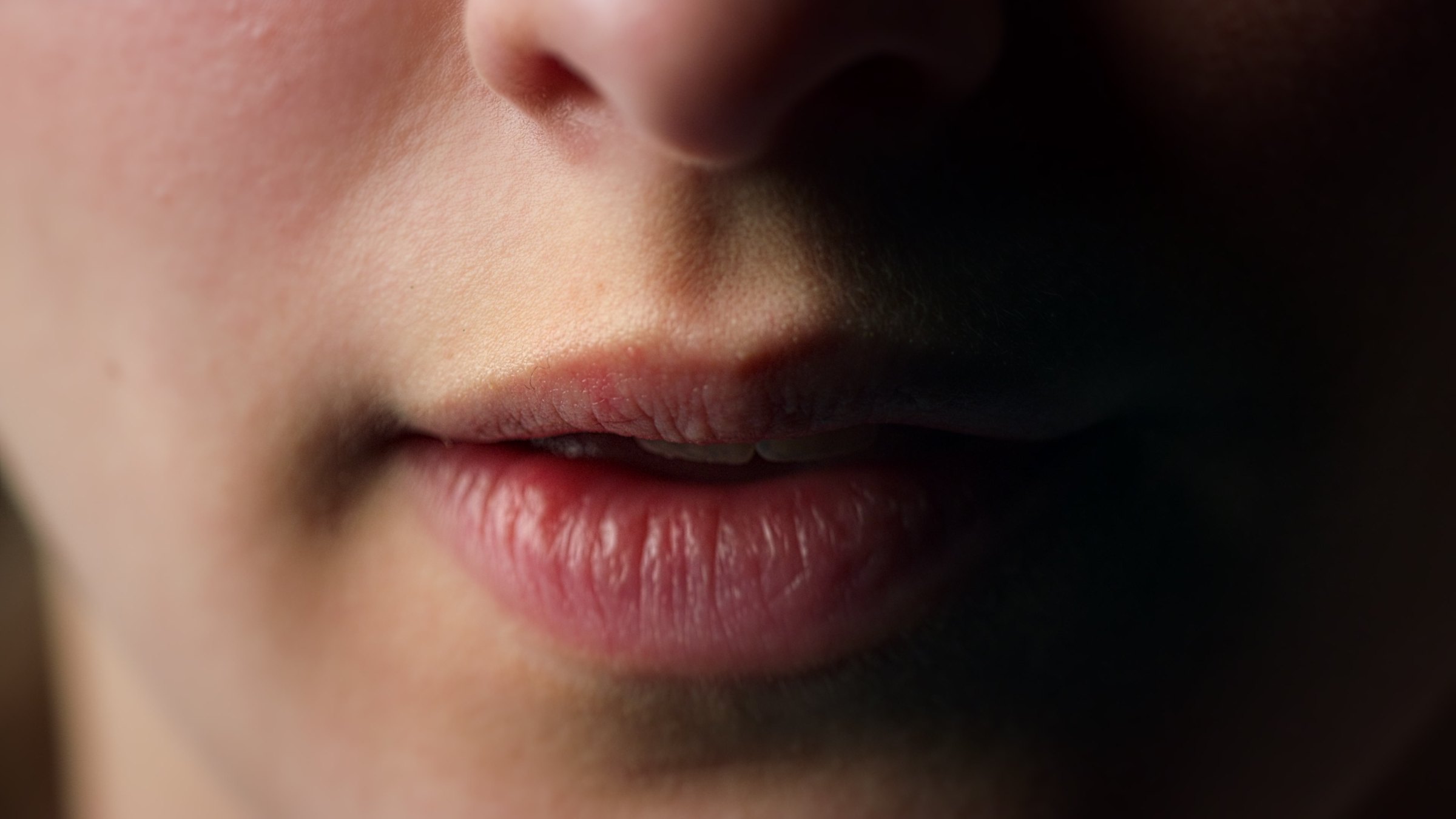
Close-up of a relaxed mouth and chin in soft, even light

Smile Line Filler at a glance

Smile lines, or nasolabial folds, are softened with hyaluronic acid gel, most often Restylane® Refyne, placed along the fold. Most plans use 1 to 2 syringes. Correction shows the same day and typically lasts 6 to 12 months. Part of the volume usually belongs at the cheek above it.

6–12
Months of correction in the fold
Product placed on the bone of the cheek often holds 12 to 18 months, and a first treatment often runs shorter than the ones after it.

What are smile lines, and why do they deepen?

Smile lines, or nasolabial folds, run from nose to mouth corner. As the medial cheek fat compartment descends, tissue rests over the crease.

  • Not damage: young faces have folds too
  • Depth comes from midface volume, skin, bone
  • Weight loss and sun exposure deepen it
  • A fold gone at rest usually means overfilled

How does filler soften a nasolabial fold?

What changes is the depth of the shadow. Hyaluronic acid is a gel your body already makes; Restylane® Refyne is cross-linked to stay flexible as your face moves. It is placed in small aliquots at the mid-to-deep dermal level along the fold, the plane its FDA labeling describes.

  • Support at the cheek is placed first where it is indicated, and the fold usually needs less afterwards.
  • Small aliquots, slow injection, low pressure
  • Blunt cannula near the angular artery
  • Refyne carries 0.3% lidocaine hydrochloride
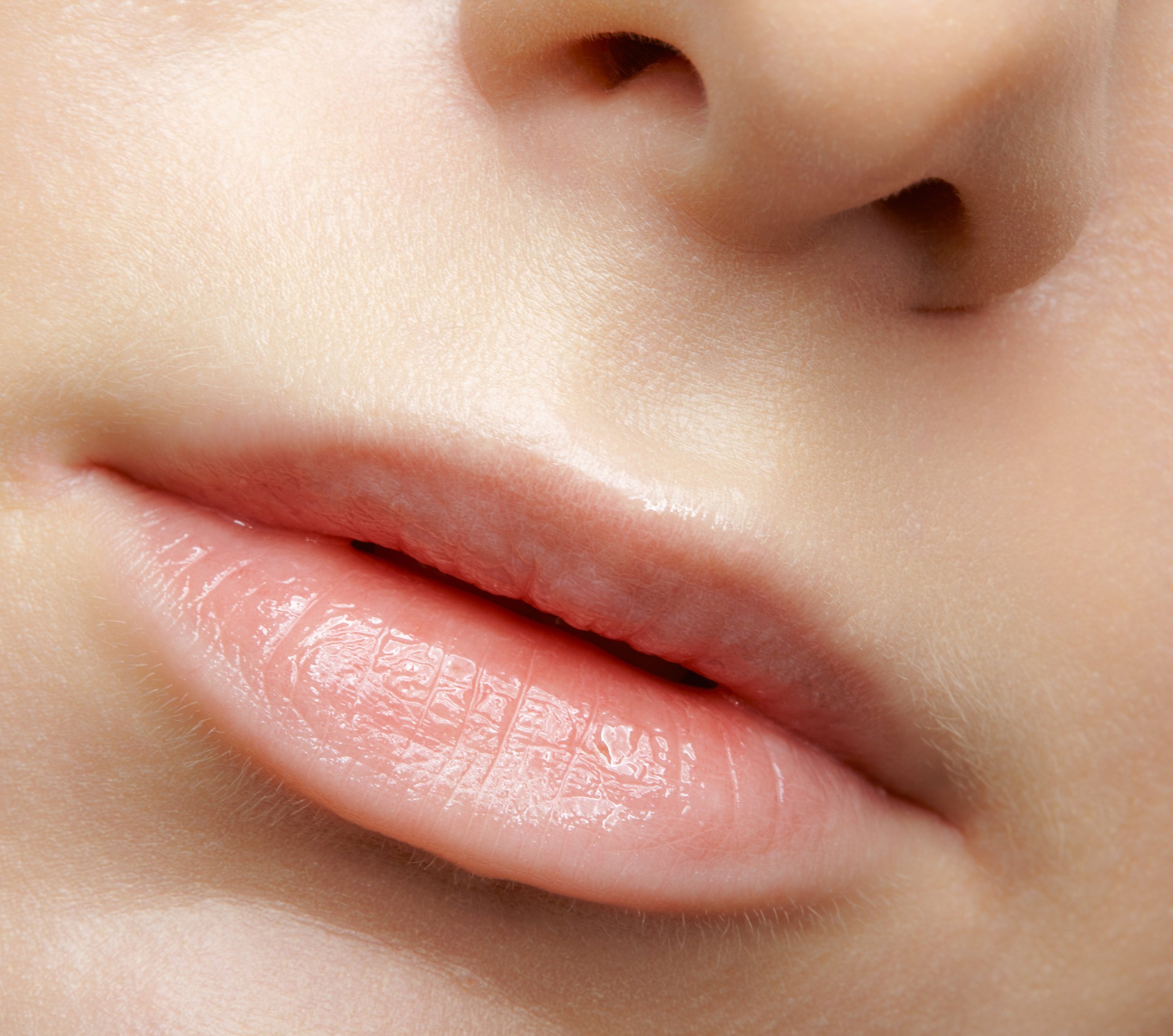
Close-up of a relaxed mouth with soft peach lip colour in warm, even lightClose-up of a relaxed mouth and chin in soft, even light

How these compare

ProductGel behaviorWhere it is placedFDA-approved forTypical durationReversible
Restylane® RefyneFlexible, moves with animationThe fold, mid-to-deep dermalModerate to severe facial wrinkles and folds, such as nasolabial folds, over 216 to 12 monthsYes, with hyaluronidase
Restylane® DefyneFirmer, holds a deeper crease openDeeper, more etched foldsModerate to severe deep facial wrinkles and folds, such as nasolabial folds, over 216 to 12 monthsYes, with hyaluronidase
Restylane® LyftFirm, granular, holds projectionMedial cheek and the bony rim beside the nose, on boneCheek augmentation for age-related midface contour deficiencies, over 2112 to 18 monthsYes, with hyaluronidase
Juvéderm® Voluma® XCSmooth and cohesiveCheek only, deep and on boneDeep injection in the cheek for age-related midface volume deficit, over 2112 to 18 monthsYes, with hyaluronidase
Sculptra®Not a filler; stimulates collagenDiffusely across the midface, over sessionsShallow to deep nasolabial fold contour deficiencies in immunocompetent adultsBuilds over 3 to 6 months; studied to 25 monthsNo

Sculptra® is shown as a contrast, not a fold treatment here. Approvals are as stated in current U.S. product labeling, and durations combine labeling with observation in practice.

Notes on the products named above

Restylane® Refyne — FDA-approved as a Class III device for mid-to-deep dermal implantation to correct moderate to severe facial wrinkles and folds, such as nasolabial folds, in patients over 21. Contains 20 mg/mL hyaluronic acid with 0.3% lidocaine. Formulated to stay flexible with movement.

Restylane® Defyne — FDA-approved for the correction of moderate to severe deep facial wrinkles and folds, such as nasolabial folds, in patients over 21, and separately for chin augmentation. Firmer than Refyne, which is what lets it hold a deeper crease open where a more flexible gel would fold with it.

Restylane® Lyft — FDA-approved for cheek augmentation to correct age-related midface contour deficiencies, and for correction of moderate to severe facial folds and wrinkles such as nasolabial folds. Placed supraperiosteally here, not into the fold.

Juvéderm® Voluma® XC — FDA-approved for deep injection in the cheek area to correct age-related volume deficit in the midface in adults over 21. It is not approved for the nasolabial fold itself, so it is used at the cheek rather than in the fold.

Hyaluronidase — Kept on site for every filler appointment. Use for cosmetic filler dissolution is off-label, it breaks down your own hyaluronic acid alongside the product, and it carries its own allergy risk. It does not reverse a collagen stimulator.
From assessment to your two-week review

01

Assessment

Your face is photographed at fixed distance and lighting. We read the fold together, at rest and moving.

02

Plan and consent

You see the plan on paper before a syringe is opened: product, volume, price, risks. Any off-label placement is named at this point and recorded in the written consent.

03

Treatment

This is the shortest part of your visit. Topical anesthetic, photographs, placement. Support at the medial cheek goes in first where it is indicated, since it changes how much the fold still needs.

04

See results

Two weeks later, once swelling has resolved, more is added only if the fold asks for it.

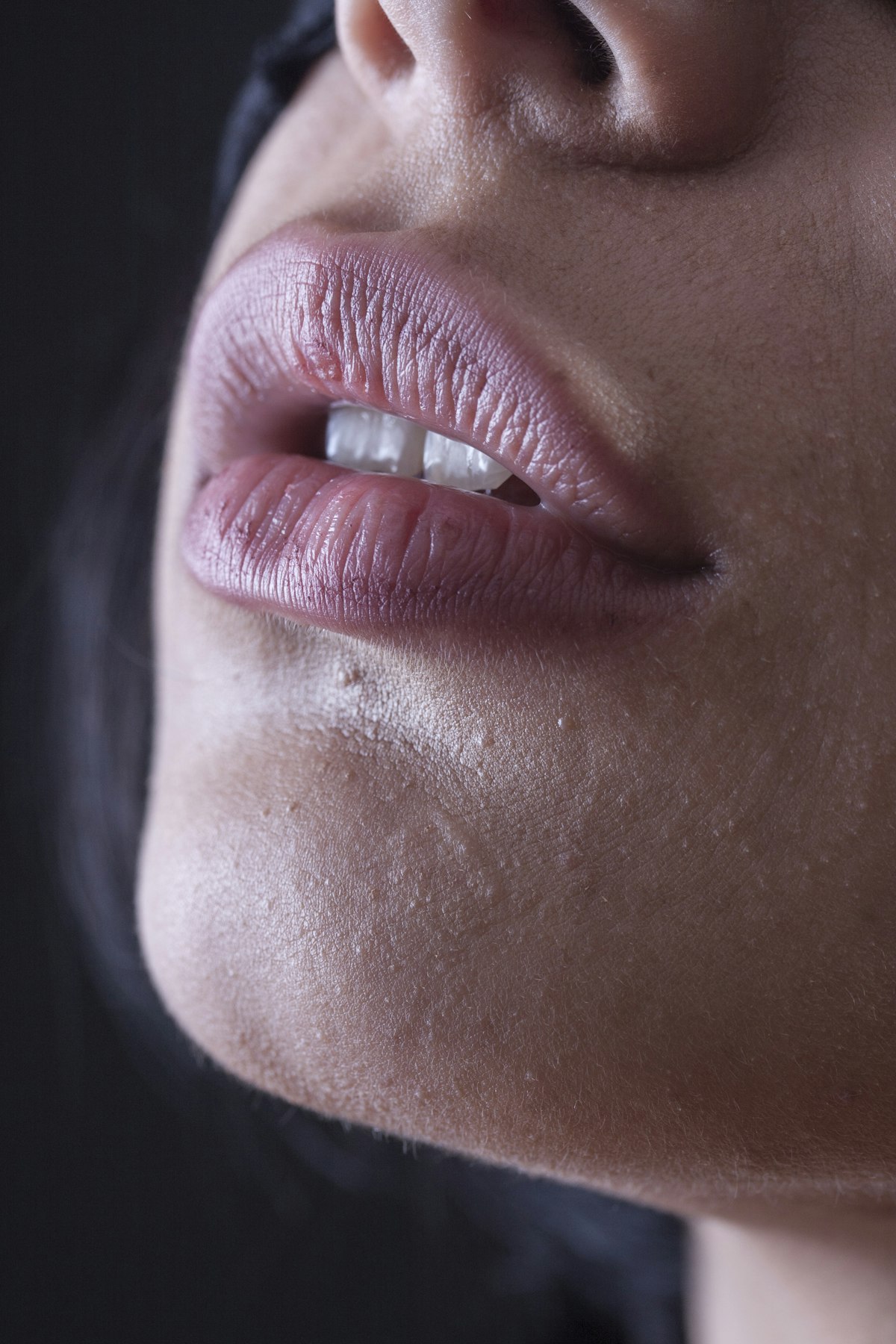
Close-up of natural lips and chin in soft directional shadow
You can go back to work the same day.

What happens at the appointment?

Most of the 30 to 45 minutes is photographs, marking and topical anesthetic. Swelling and unevenness walking out are ordinary.

  • No sedation, so no driver needed
  • Topical anesthetic 15 minutes; lidocaine in the gel
  • Hyaluronidase and a written complication protocol on site.
  • You leave with a number to call.

How long do smile line results last?

Correction shows immediately, though day one is part swelling. The fold settles between day 3 and day 14. Give it two weeks before you judge it.

Day one
softening, plus swelling
Two weeks
the settled result
Fold
typically 6 to 12 months
Cheek
typically 12 to 18 months

Who is a candidate, and who is not?

A good candidate

  • A fold that shadows when your face is still
  • Midface volume loss, the cheek no longer carrying it
  • Skin thick enough to cover gel underneath
  • An expectation of softening, not removal
  • Weight that has been stable, not still falling
  • A 6 to 12 month interval

Not a candidate

  • Known hypersensitivity to hyaluronic acid products, to gram-positive bacterial proteins, or to lidocaine and other amide anesthetics, or a history of anaphylaxis or severe multiple allergies
  • Bleeding disorders, or anticoagulation that cannot be safely managed around the appointment
  • Folds visible only on animation, heavier once filled
  • An expectation of a facelift, or of the fold gone

Worth waiting for

  • Active infection, cold sore outbreak or inflamed skin at the site
  • Pregnancy and breastfeeding, where these products have not been studied

The first two weeks

01
Leave the area alone for 6 hours: no massage, pressure or makeup.
02
Sleep on your back, head elevated, for two nights.
03
Ice 10 minutes at a time for 24 hours, with a barrier.
04
Skip exercise, saunas, steam and alcohol for 24 to 48 hours.
05
Postpone dental work, facials, microneedling and laser two weeks.
06
Expect firmness and small lumps for up to two weeks.
07
Ask about follow-up timing, contact arrangements, and any additional charges before treatment.
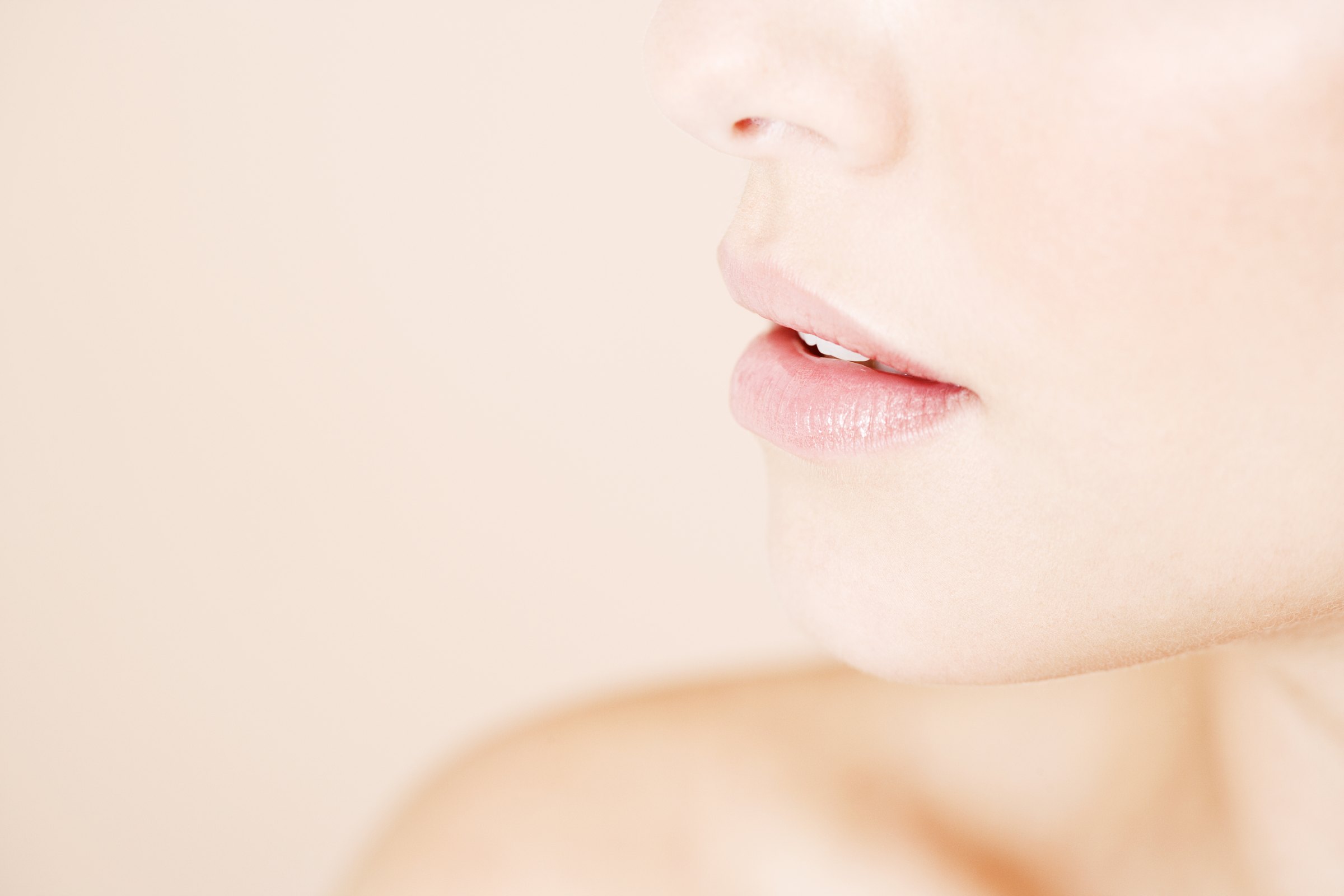
Woman seen from behind in a cream ruffled blouse, hair tied with a dark scrunchie, hands raisedStudio portrait of a woman in an olive dress against greySoft profile close-up of a mouth and chin on a cream background

What patients ask about smile line filler

Will filler get rid of my smile lines completely?

No. Smile line filler softens the fold rather than erasing it. A fold that disappears entirely at rest usually means more volume than the face carries. The crease marks where skin is tethered to deeper tissue.

How much filler do most people need for smile lines?

Most patients need 1 to 2 syringes, and often half goes to the cheek rather than the fold. A first appointment is typically one syringe, reviewed at two weeks. Deeper folds can take 2 to 3 syringes.

Should the filler go in the fold or in my cheeks?

Both, usually, and the cheek comes first. The fold deepens when the medial cheek descends, so a firmer gel on the cheekbone reduces how much the fold needs. Filling only the crease reads as heaviness.

How long does Restylane® Refyne last in the smile lines?

Correction in the nasolabial fold typically lasts 6 to 12 months. The fold moves every time you speak, so gel there breaks down faster than on the cheekbone, which often holds 12 to 18 months.

Does it hurt?

Most patients describe pressure with brief stinging. Topical anesthetic sits for about 15 minutes and Restylane® Refyne contains 0.3% lidocaine, so the area numbs as the injection proceeds. The end nearest the nose is the tender part.

Can smile line filler be dissolved if I do not like it?

Yes. Restylane® Refyne is a hyaluronic acid gel, so hyaluronidase, an enzyme injected in the office, breaks it down. It is not a precise eraser, since it breaks down some of your own hyaluronic acid too.

What are the real risks of filler near the nose and mouth?

Bruising, swelling, tenderness and small lumps are common. The serious risk is vascular occlusion, where filler enters or compresses a vessel and the skin that vessel feeds loses its blood supply, which can cause skin loss and, very rarely, vision loss. The U.S. Food and Drug Administration has issued a safety communication on unintentional injection of soft tissue fillers into blood vessels in the face, which names vision impairment and blindness among the reported outcomes.

How soon can I go back to work?

Most patients return to work the same day. Swelling is obvious for 24 to 48 hours, and bruising lasts 3 to 7 days. Book two weeks ahead of anything you cannot be bruised for.

Would Botox® help my smile lines?

Usually not: the two answer to different findings. Botox® quiets the nerve signal to a muscle, so it softens lines a muscle folds into skin. The nasolabial fold is a structural crease over a fixed attachment. Every botulinum toxin product carries a boxed warning for distant spread of toxin effect beyond the injection site. Small doses near the nose can soften a strong upper lip elevation in selected patients, which is an off-label use and addresses a different finding from the fold itself.

What does smile line filler cost in Columbus, OH?

The cost depends on your treatment plan. Call (614) 425-1633 for current pricing and ask what consultation, treatment, and follow-up charges apply.

Important safety information

This page is general information, not medical advice, and not a substitute for an in-person evaluation. Treatment requires a provider consultation and a medical eligibility review, and treatment is provided only where it is indicated.

Individual results vary. Nothing here is a promise of a specific result, and dermal filler is temporary.

Restylane® and Sculptra® are registered trademarks of Galderma. Juvéderm® is a registered trademark of Allergan Aesthetics, an AbbVie company. Botox® is a registered trademark of Allergan, Inc. Rouge Aesthetics is not affiliated with, sponsored by or endorsed by those companies, and names them only to identify the products used.

Book

Start with a conversation

Visit us
101 Mill Street, Suite 210, Gahanna, OH 43230
Or call
(614) 425-1633
Treatments
Wrinkle RelaxersDermal FillersCollagen StimulatorsRegenerative
More
Intimate WellnessAnti-AgingFat ReductionFacial Balancing
Practice
AboutPricingMembershipContact
Legal
PrivacyPatient PrivacyAccessibilityResults

Rouge Aesthetics · 101 Mill Street, Suite 210, Gahanna, OH 43230 · (614) 425-1633
Individual results vary. This website provides general information and does not replace an individual consultation.