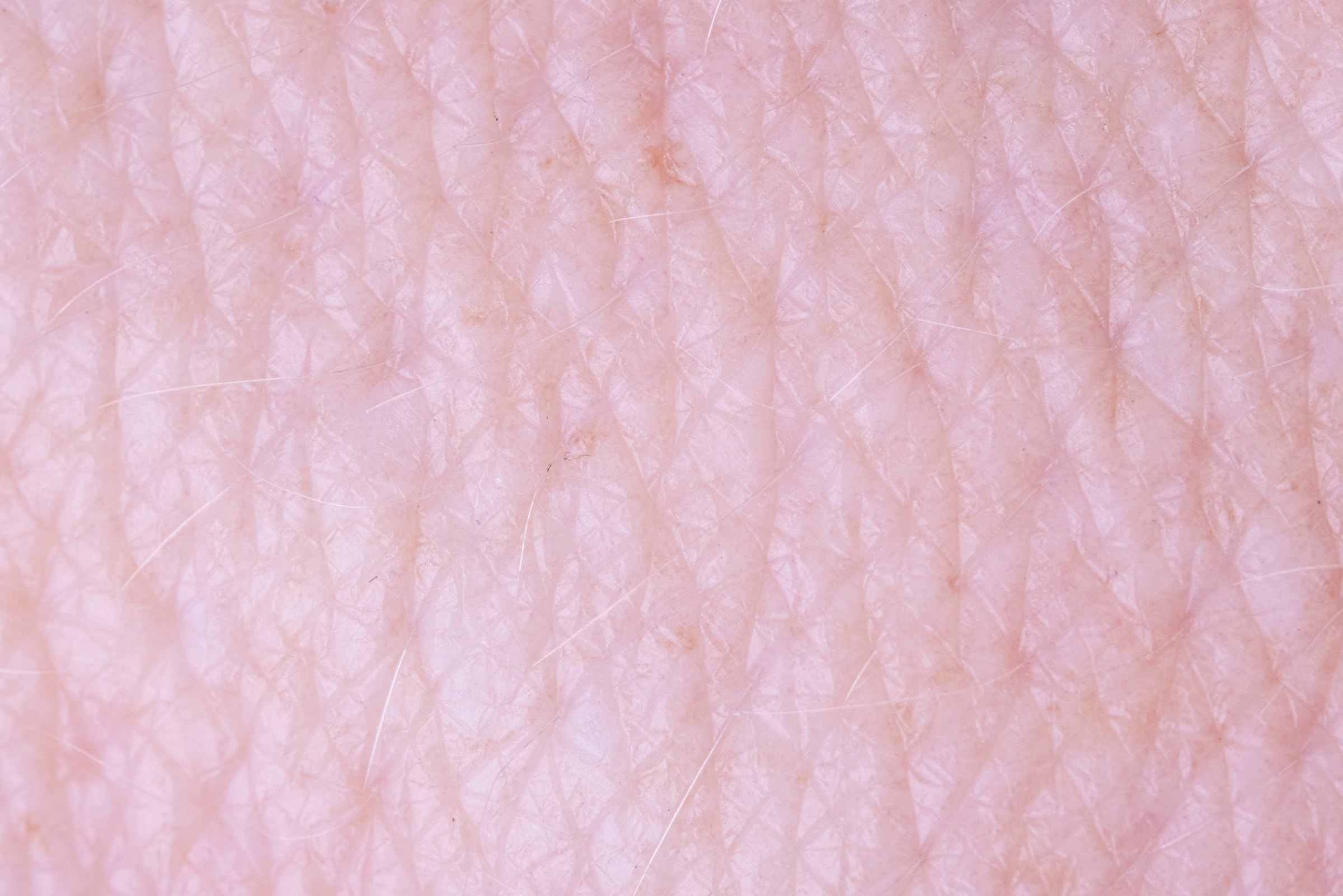
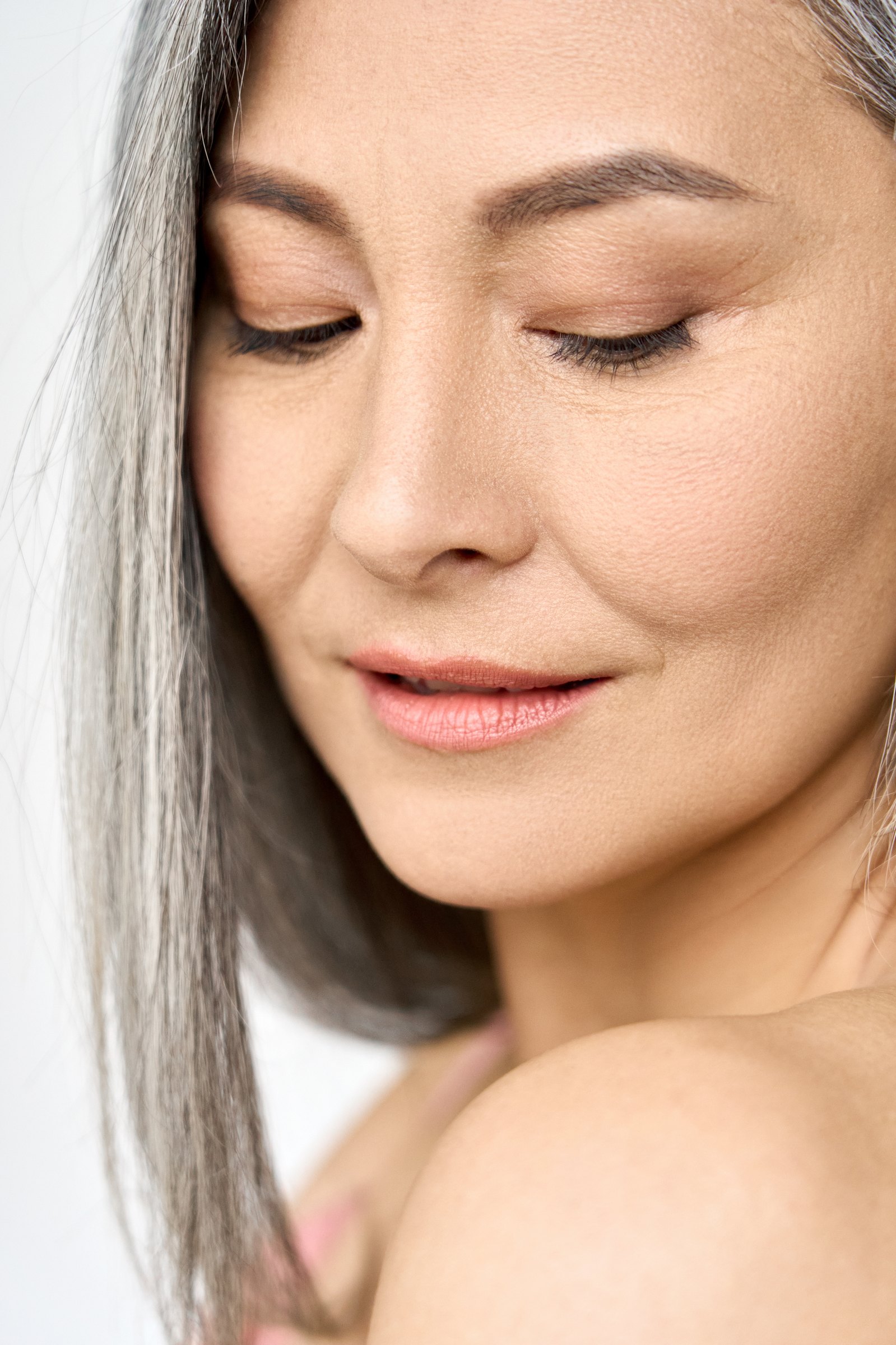
Two halves, one mechanism: a needle set to depth, and your own blood spun in the room. Both prompt repair.
Book a consultationStart with one variable
Microneedling vs PRP is a choice of mechanism. Most series run 3 to 4 sessions. Platelet-rich plasma and platelet-rich fibrin hold no FDA approval or clearance for a cosmetic skin indication, which makes their aesthetic use an unapproved use rather than an off-label one, because no aesthetic label exists for the use to depart from.
Two things sit here. The first is controlled micro-injury: fine needles at a set depth in the dermis, the layer where collagen is made. The second is your own blood, spun in the room.
Microneedling devices are FDA-cleared. Platelet-rich plasma and platelet-rich fibrin are not: they hold no FDA approval or clearance for a cosmetic skin indication, which makes their aesthetic use an unapproved use rather than an off-label one, since no aesthetic label exists for the use to depart from.
The difference is timing. Microneedling opens channels; healing lays down type I collagen over weeks. PRP releases its growth factors within an hour. PRF releases over 7 to 10 days.


| Treatment | What is used | What it changes | Regulatory status | Typical series | Downtime | When change is usually visible |
|---|---|---|---|---|---|---|
| Microneedling | Motorized needle cartridge, 0.5 to 2.0 mm on the face | Texture, pore appearance, shallow scarring | Device is FDA-cleared for facial acne scars in adults 22 and over; clearance is device-specific | 3 to 4 sessions, 4 to 6 weeks apart | 24 to 48 hours of redness | Weeks 8 to 12 |
| PRP microneedling | Microneedling plus your own platelet-rich plasma, applied or injected | The same targets, with a faster growth-factor release added. Some menus list this treatment under a licensed protocol name; the preparation and the passes are the same | Autologous. No FDA approval or clearance for a cosmetic indication; the preparation system is cleared, and the aesthetic use is an unapproved use rather than an off-label one | 3 to 4 sessions, 4 to 6 weeks apart | 2 to 4 days of redness and swelling | Weeks 8 to 12 |
| PRF microneedling | Microneedling plus platelet-rich fibrin, spun slower with no anticoagulant | The same targets, with release over roughly 7 to 10 days | Autologous. No FDA approval or clearance for cosmetic use; an unapproved use rather than an off-label one | 3 to 4 sessions, 4 to 6 weeks apart | 2 to 4 days of redness and swelling | Weeks 8 to 12 |
| PRF gel | Liquid PRF recombined with heat-denatured plasma albumin | Small, soft volume in a shallow tear trough or temple, plus skin quality | Autologous. No FDA approval or clearance for this use; an unapproved use rather than an off-label one | 1 to 2 sessions, repeated as it resorbs | 3 to 7 days, bruising common | Immediate but temporary; roughly 3 to 6 months |
The question is whether the complaint sits in skin quality or volume. Microneedling devices hold FDA 510(k) clearance from the U.S. Food and Drug Administration (FDA). Regulatory status reflects U.S. labeling. Durations and session counts are ranges drawn from device labeling, published literature and practice observation, so individual results vary.
Medical microneedling device (motorized pen) — Devices in this class are cleared through the FDA 510(k) pathway, the route for a device shown to be equivalent to one already on the market, most commonly for the treatment of facial acne scars in adults 22 and over; some carry a separate clearance for the appearance of neck wrinkles. Clearance is device-specific, and depth and cartridge type change by area.
Platelet-rich plasma (PRP) — PRP is autologous and holds no FDA approval or clearance for a cosmetic skin indication, which makes its aesthetic use an unapproved use rather than an off-label one, since no aesthetic label exists for the use to depart from. The preparation system is cleared for producing the blood product, not for any aesthetic result.
Platelet-rich fibrin (PRF) — Spun at lower speed with no anticoagulant, so it forms a fibrin clot and is typically leukocyte-rich. Autologous, with no FDA clearance or approval for cosmetic use, which makes that an unapproved use.
PRF gel (processed injectable PRF) — Reported duration is roughly three to six months rather than a year. Autologous, an unapproved use, and not a replacement for a hyaluronic acid filler.
Microneedling with platelet-rich plasma — Two components, each with its own status: the needling device is FDA-cleared, and the plasma holds no approval or clearance for a cosmetic indication, which makes that half an unapproved use. Some menus list the same pairing under a licensed protocol name.
Topical anesthetic (compounded lidocaine-based) — Applied to intact skin only, in a measured quantity, and removed before treatment. Compounded topical anesthetics are not FDA-approved products. The FDA has issued a public health advisory and subsequent safety communications on compounded topical anesthetics used for cosmetic procedures. Those followed reports of seizures, irregular heartbeat and death. In each case a large amount had been applied over a large area, covered with wrap or occlusion, or left on too long.
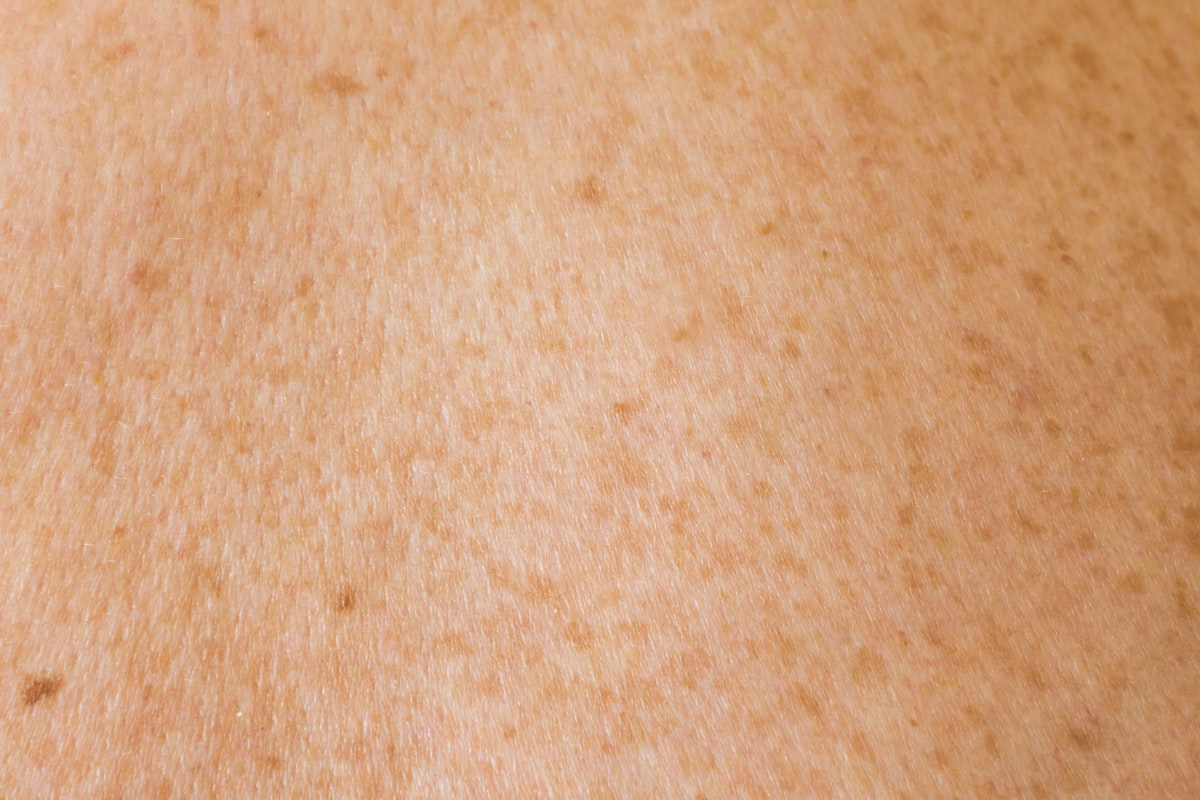
Skin thickness, scar shape and pigment risk set the depth.
The choice is microneedling alone, with a blood product, or neither. The device clearance that applies, and the unapproved status of any blood product, are both stated before you consent.
Photographs first, then anesthetic, the draw and spin. The needles are the short part.
A series can end early. A two-week check is booked before you leave.

You will leave looking sunburned.
Give this longer than you will want to. Most patients notice texture and pore change between weeks eight and twelve. Acne scarring is assessed at month six.


No, and the reason is worth having in full, because it reads like a warning when it is really a description of a regulatory pathway. Neither platelet-rich plasma nor platelet-rich fibrin holds FDA approval or clearance for a cosmetic skin indication. That makes their aesthetic use an unapproved use rather than an off-label one, since no aesthetic label exists for the use to depart from. The centrifuge systems are cleared for preparing the blood product rather than for any aesthetic result. Microneedling devices are separately FDA-cleared, most commonly for facial acne scars in adults 22 and over, and you will hear which status applies to which half of your treatment before you consent.
Most patients need three to four sessions, four to six weeks apart; deeper acne scarring often takes five or six. The interval is not padding: collagen is still being laid down. Pricing runs per session.
The difference is timing. PRF is spun slower and without an anticoagulant, so it clots into a fibrin scaffold that laboratory studies show releasing growth factors over seven to ten days rather than within the first hour. PRP stays liquid and spreads more easily. Neither holds FDA clearance for cosmetic use, and what separates them is release profile and handling rather than potency.
Partially, and the shape of your scars decides how much. Rolling and shallow boxcar scars sit in dermis remodelling reaches. Narrow ice-pick scars run deep and tethered, so punch excision or subcision addresses them. Expect softening, not erasure.
Plan on one to four days. Microneedling alone leaves 24 to 48 hours of sunburn-like redness. Platelet-rich plasma or fibrin extends that to two to four days. Leave a week before an event you cannot be red for.
Less than most people brace for. Most patients describe pressure and vibration rather than sharp pain, after 25 minutes of topical anesthetic. The forehead, nose and upper lip are least comfortable. A change in depth is mentioned first.
No, the depth is the difference. Home rollers reach 0.2 to 0.5 mm, short of the 0.5 to 2.0 mm used clinically, and a series depends on reaching the dermis. Rollers blunt quickly and cannot be sterilized properly.
Yes, with adjustments. Microneedling is lower risk for pigment change than ablative resurfacing, but post-inflammatory hyperpigmentation remains a risk in Fitzpatrick skin types IV to VI. Depth is reduced, the first session is conservative, and sun avoidance is talked through before a series is booked.
Usually yes, though not in the same appointment. A neuromodulator or filler is placed first and separated from needling by about two weeks, so swelling does not confuse the assessment. Botox® Cosmetic carries an FDA boxed warning for distant spread of toxin effect, and that warning is reviewed with you before any neuromodulator is used. Needling does not dissolve filler already placed.
Sometimes, and nobody wants to discover that six months in. Scalp platelet-rich plasma holds no FDA approval or clearance for hair loss, which makes it an unapproved use, and the evidence varies from patient to patient. Shedding has causes no injection reaches — thyroid disease, iron deficiency, medication — so bloodwork comes first. Finding a treatable cause is the best outcome.
Platelet-rich plasma and platelet-rich fibrin are prepared from your own blood and hold no FDA approval or clearance for cosmetic use. That makes their aesthetic use an unapproved use rather than an off-label one, because no aesthetic label exists for the use to depart from. Microneedling devices in this class are FDA-cleared, most commonly for facial acne scars in adults 22 and over, and clearance is device-specific. Where a use is unapproved we say so on this page and again at consultation.
Individual results vary. Nothing on this page is a promise of a specific result, and no treatment described here is a cure or a permanent correction. Improvement in texture and scarring is typically partial.
They illustrate one individual outcome and are not a guarantee of yours.
This page is general information, not medical advice, and not a substitute for an in-person evaluation.
Rouge Aesthetics · 101 Mill Street, Suite 210, Gahanna, OH 43230 · (614) 425-1633
Individual results vary. This website provides general information and does not replace an individual consultation.